What is VoIP?
The Complete Guide to Voice over Internet Protocol (VoIP)
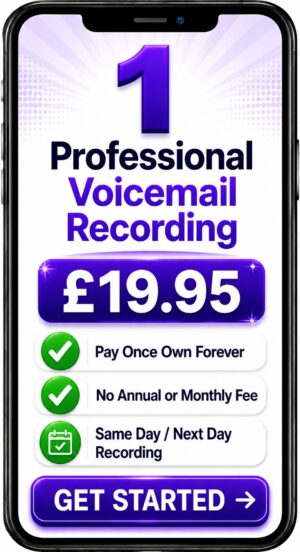


Choose a Professional Voice Over Artist for Your Recording
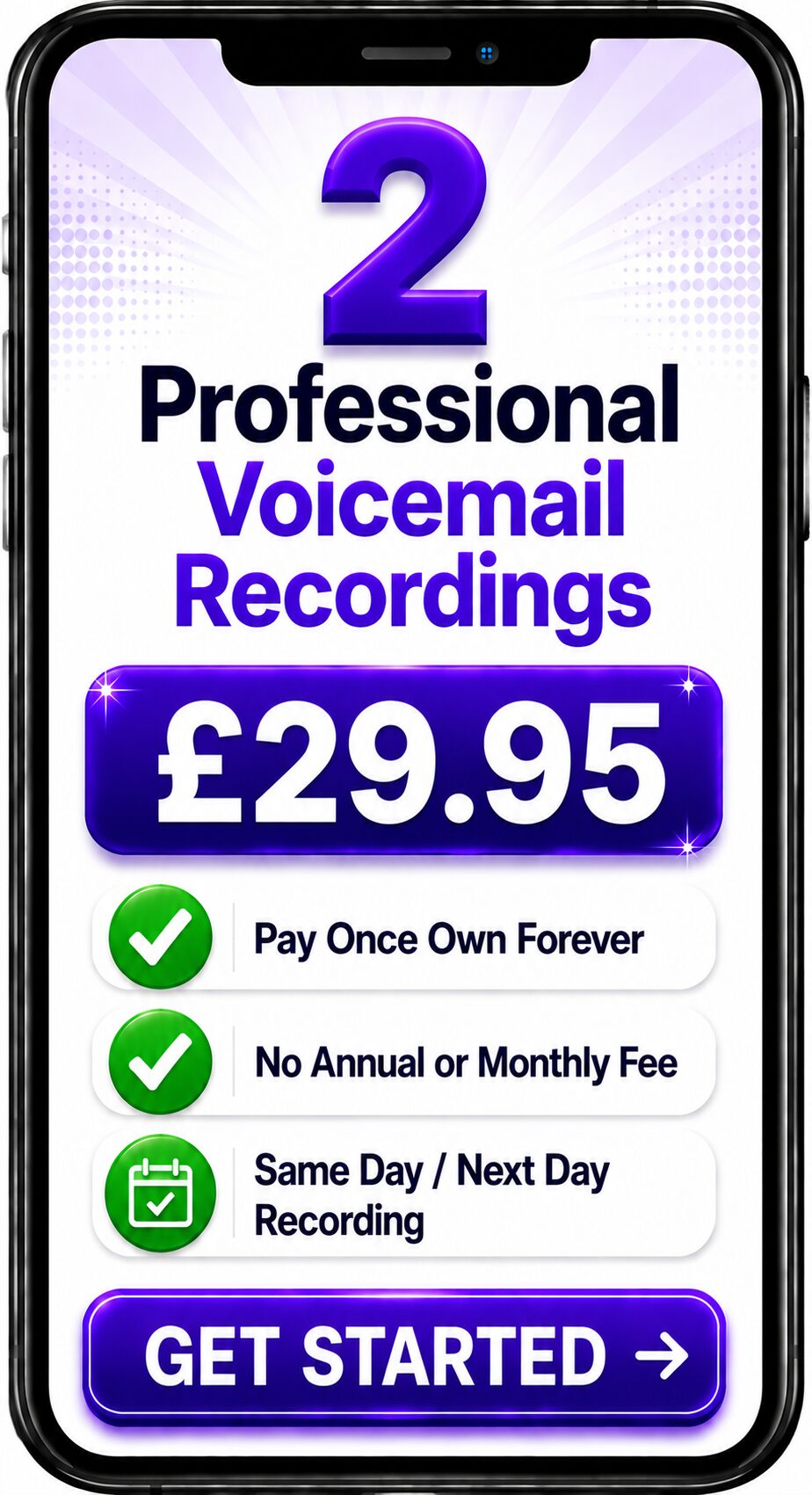
Choose Number of Recordings
Choose a Professional Voice Over


Spencer
Same Day / Next Day

Melanie
24 Hours / 48 Hours

Gemma
24 Hours / 48 Hours

Bethany
24 Hours / 48 Hours

Emily
24 Hours / 48 Hours
Spencer
Same Day / Next Day
The Complete Guide to Voice over Internet Protocol (VoIP)
Quick Answer
VoIP (Voice over Internet Protocol) is a technology that allows telephone calls to be made and received over an internet connection instead of traditional analogue phone lines. Modern VoIP systems offer businesses greater flexibility, lower operating costs and access to advanced features such as Auto Attendants, Interactive Voice Response (IVR), call recording, voicemail-to-email and remote working.
About This Guide
This guide has been written by Spencer Cork, a professional British voice over artist with more than 30 years of experience producing telephone greetings, IVR prompts, voicemail recordings and on-hold messages for businesses using VoIP telephone systems throughout the UK and internationally.
Whether your business uses RingCentral, Gamma, 3CX, Microsoft Teams Phone, Dialpad, Zoom Phone or another cloud telephony platform, the principles of creating an effective caller experience remain the same.
What is VoIP?
VoIP stands for Voice over Internet Protocol.
Instead of using the traditional Public Switched Telephone Network (PSTN), VoIP converts your voice into digital data and transmits it securely over an internet connection.
To the caller, the experience feels exactly like making a normal telephone call.
Behind the scenes, however, the technology is very different.
This allows businesses to make and receive calls from almost anywhere with an internet connection, whether staff are in the office, working remotely or travelling.
How Does VoIP Work?
When you speak during a VoIP call:
- Your voice is converted into digital data.
- The data travels securely across the internet.
- It reaches the recipient's telephone system.
- The data is converted back into audio almost instantly.
This process happens in milliseconds, allowing conversations to feel natural and uninterrupted.
Modern broadband and fibre connections provide excellent call quality, making VoIP the preferred choice for many organisations.
Why Businesses Choose VoIP
VoIP has transformed business communications because it combines flexibility with powerful features.
Benefits include:
- lower call costs
- flexible working
- easy scalability
- cloud-based management
- advanced call routing
- integration with business software
- simplified maintenance
- support for multiple office locations
Businesses no longer need complex on-site telephone equipment to provide a professional caller experience.
Common Features of VoIP Systems
Most modern VoIP platforms include:
- Auto Attendants
- Interactive Voice Response (IVR)
- Business Voicemail
- Voicemail-to-email
- Call Queue Messages
- Music On Hold
- Call recording
- Video meetings
- Mobile applications
- CRM integration
- Call analytics
- Presence information
These features help organisations improve communication while supporting hybrid and remote working.
VoIP vs Traditional Telephone Systems
Traditional telephone systems rely on dedicated physical telephone lines.
VoIP uses internet connectivity instead.
Compared with older systems, VoIP generally offers:
- lower operating costs
- easier expansion
- improved flexibility
- enhanced reporting
- cloud-based management
- support for remote workers
- regular software updates
For many businesses, VoIP has become the standard approach to business communications.
Why Professional Voice Recordings Still Matter
Although VoIP changes how calls are transmitted, it does not change how customers judge your business.
The first voice callers hear remains one of the most important parts of the customer experience.
Professional recordings help businesses create:
- a strong first impression
- consistent branding
- clear navigation
- improved caller confidence
- professional presentation
- better accessibility
Whether your telephone system is hosted in the cloud or installed on-site, professionally recorded greetings continue to play an important role.
Spencer's Professional Insight
One misconception I occasionally hear is that upgrading to a modern VoIP platform automatically improves the customer experience.
The technology certainly provides more functionality, but the caller's experience still depends on what they hear.
A well-written script, recorded professionally with clear pacing and natural delivery, can make a significant difference to how your business is perceived from the very first call.
Which Businesses Use VoIP?
VoIP is now used across virtually every sector, including:
- healthcare
- hospitality
- education
- retail
- financial services
- legal practices
- recruitment agencies
- manufacturing
- estate agents
- charities
- local government
- technology companies
From sole traders to multinational organisations, VoIP offers a flexible communication solution suitable for businesses of every size.
Best Practice for Business VoIP
To provide the best caller experience:
- keep telephone greetings up to date
- review Auto Attendant menus regularly
- use professionally recorded voice prompts
- test call routing frequently
- maintain consistent branding across all recordings
- provide simple and intuitive menu options
- monitor call quality and customer feedback
Technology is only one part of a successful telephone system.
Clear communication remains just as important.
Frequently Asked Questions
What does VoIP stand for?
VoIP stands for Voice over Internet Protocol.
Is VoIP better than a traditional landline?
For many businesses, yes. VoIP provides greater flexibility, lower operating costs and access to advanced communication features.
Does VoIP require the internet?
Yes. VoIP uses an internet connection to transmit telephone calls.
Can VoIP include IVR and Auto Attendants?
Yes. Most modern VoIP systems support features such as Auto Attendants, IVR menus, voicemail, call queues and on-hold messaging.
Do VoIP systems still need professional voice recordings?
Absolutely. Regardless of the technology, professionally recorded greetings help create a positive first impression and improve the caller experience.
Related Guides
Continue exploring the Business Voice Communications Library:
- What is Interactive Voice Response (IVR)?
- What is an Auto Attendant?
- What is Cloud Telephony?
- What is a Hosted PBX?
- Business Voicemail Guide
- Call Queue Messages
- Telephone Greeting Scripts
- Voice Branding
Professional Voice Recordings for VoIP Telephone Systems
Modern VoIP platforms provide exceptional flexibility, but the voice your callers hear remains one of the strongest reflections of your brand.
Professionally recorded greetings, IVR prompts, voicemail messages and call queue announcements help ensure your VoIP telephone system sounds as professional as the business behind it.
Contact the Team
Get a Fast Answer to Your Question
How To Order
Voicemail Recordings Video Guide