What is Music on Hold?
The Complete Guide to Professional Music on Hold and On-Hold Messages


Choose a Professional Voice Over Artist for Your Recording
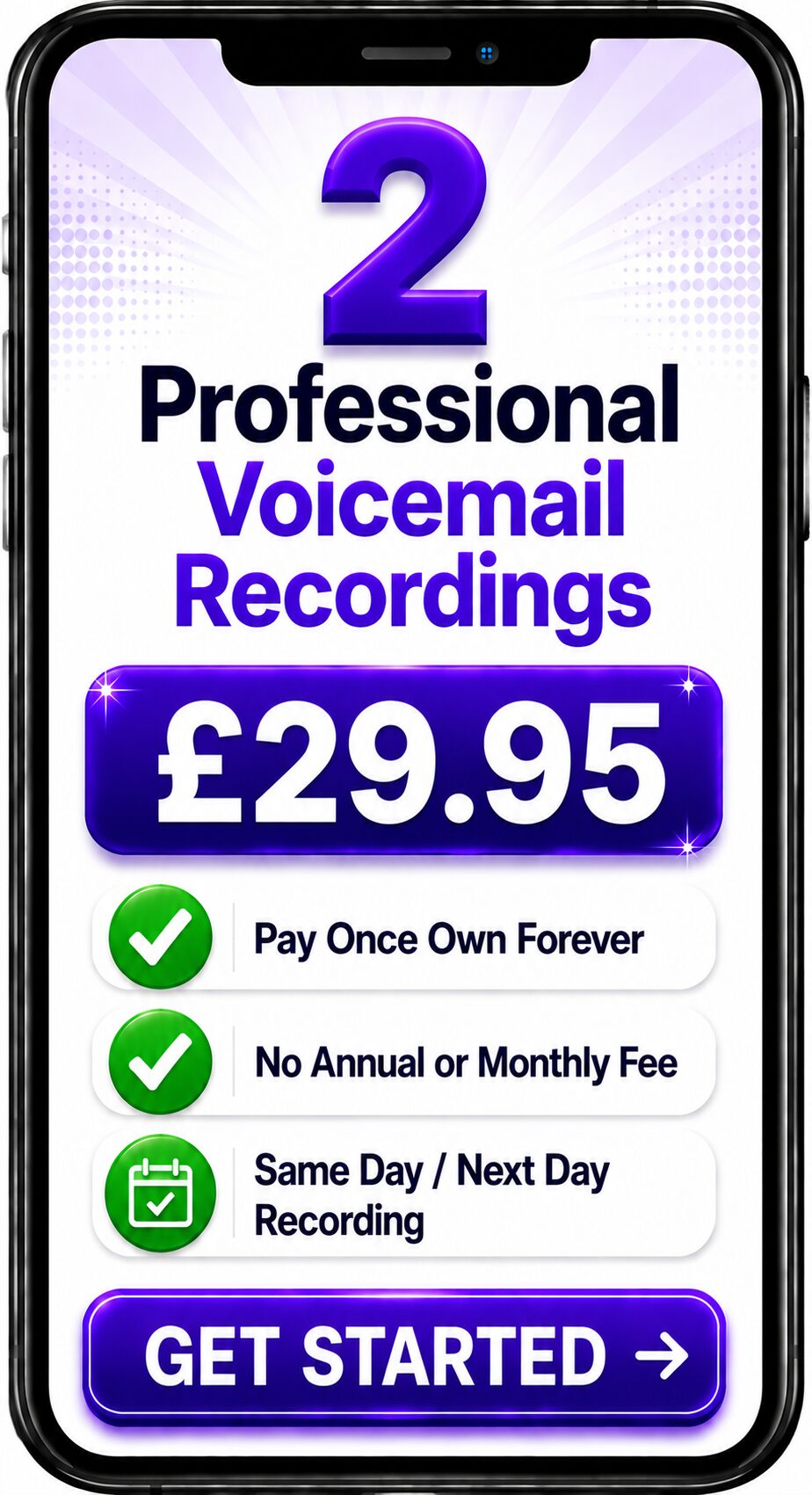
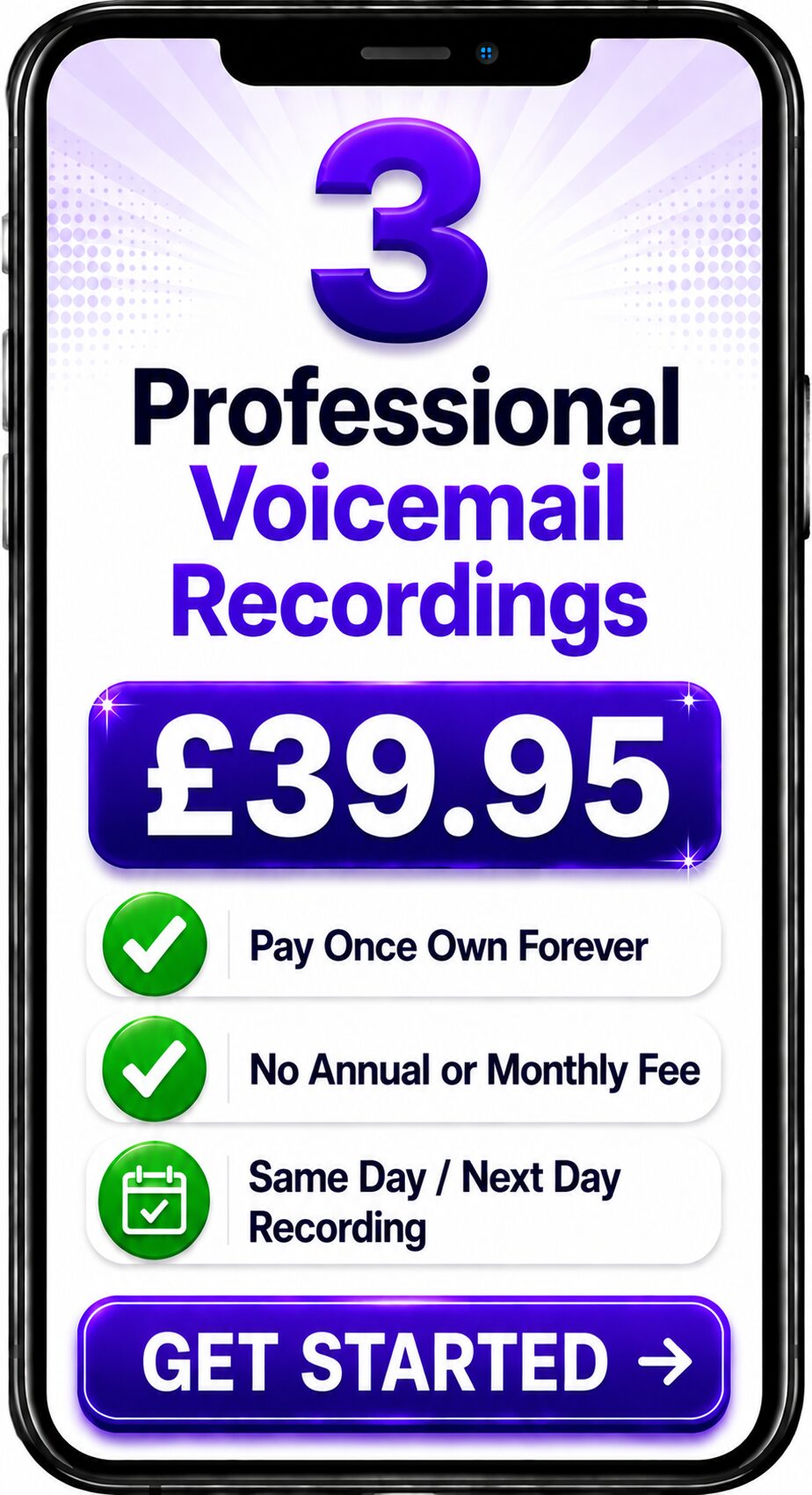
Choose Number of Recordings
Choose a Professional Voice Over


Spencer
Same Day / Next Day

Melanie
24 Hours / 48 Hours

Gemma
24 Hours / 48 Hours
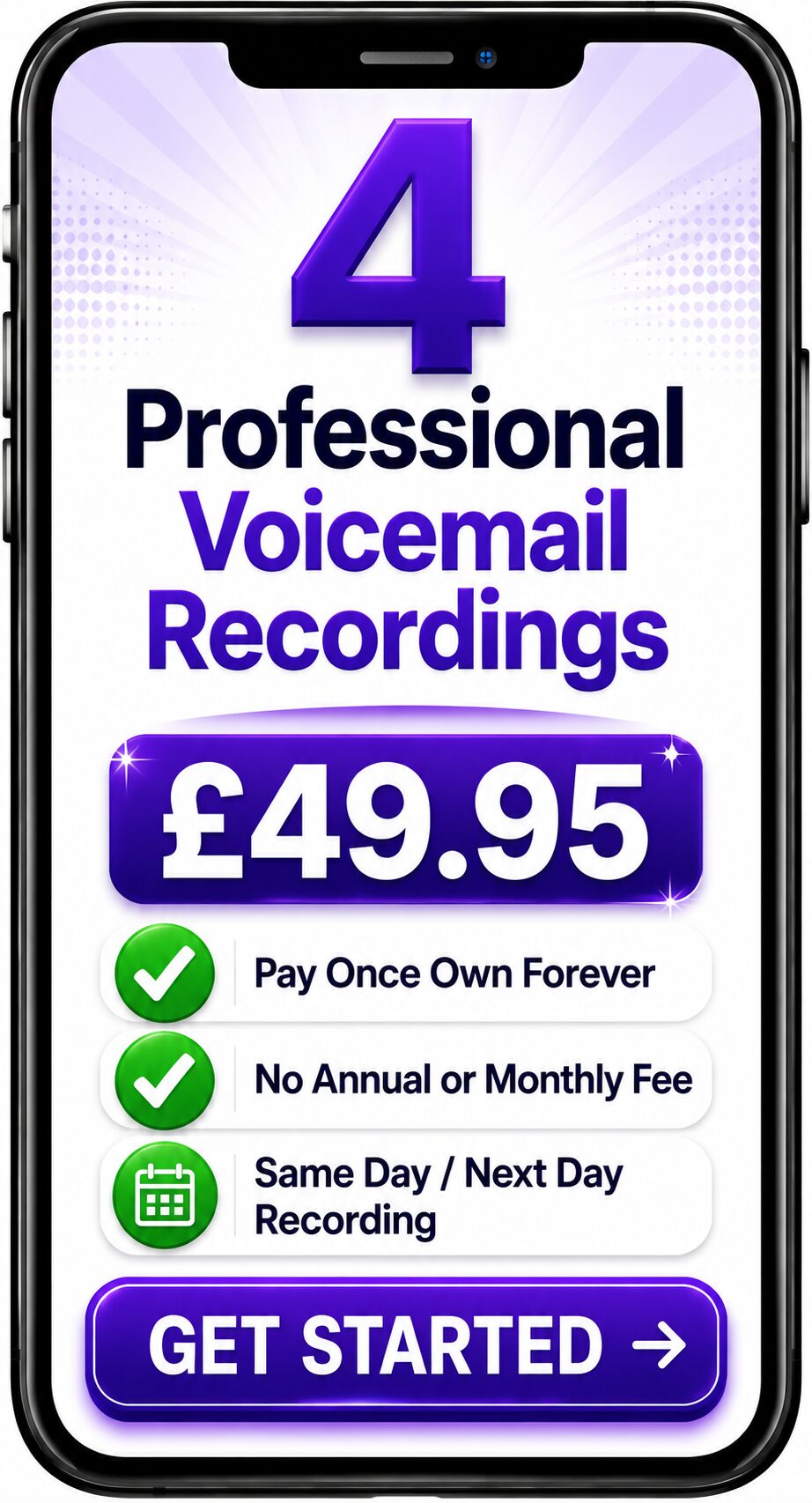
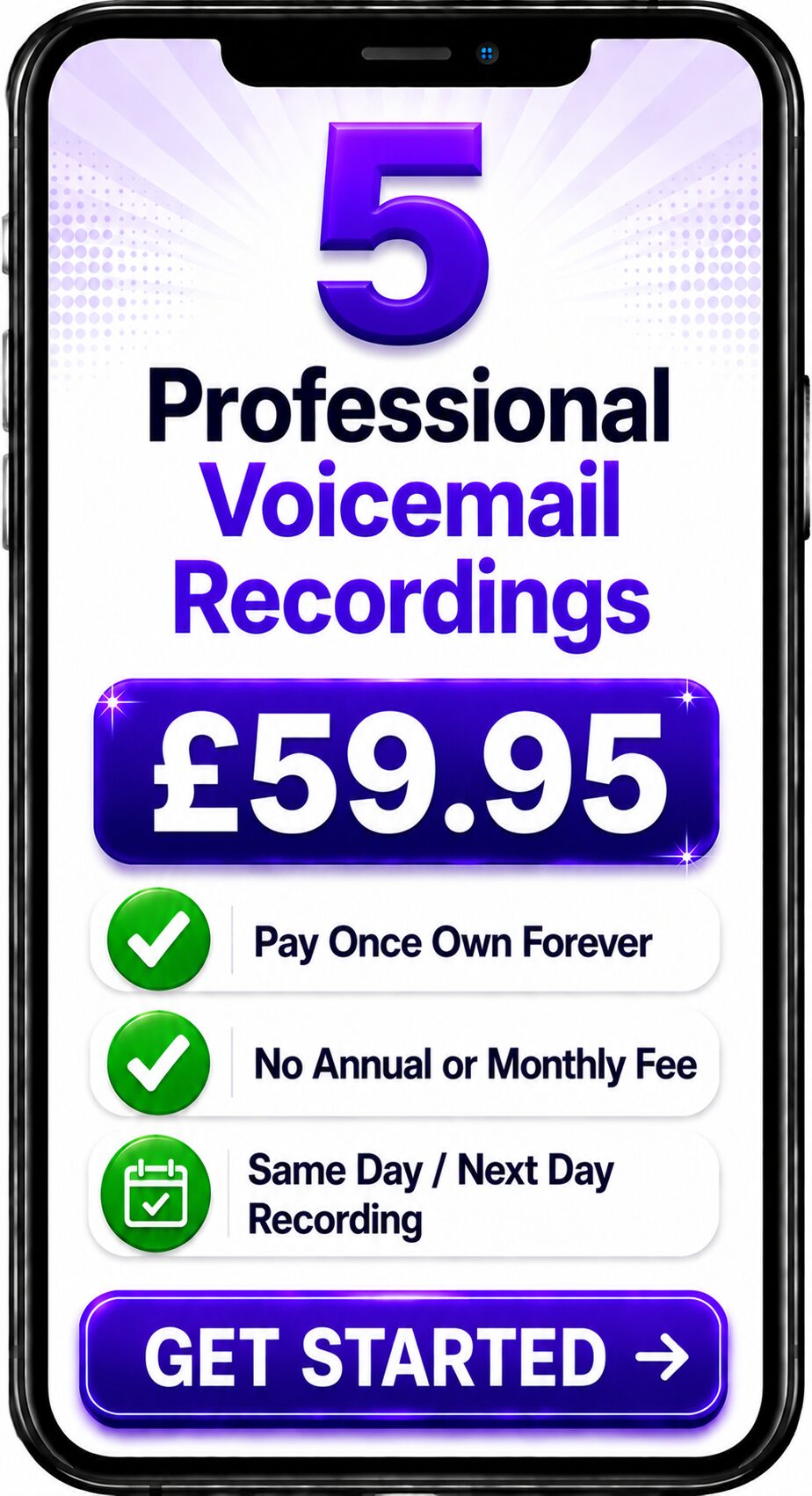
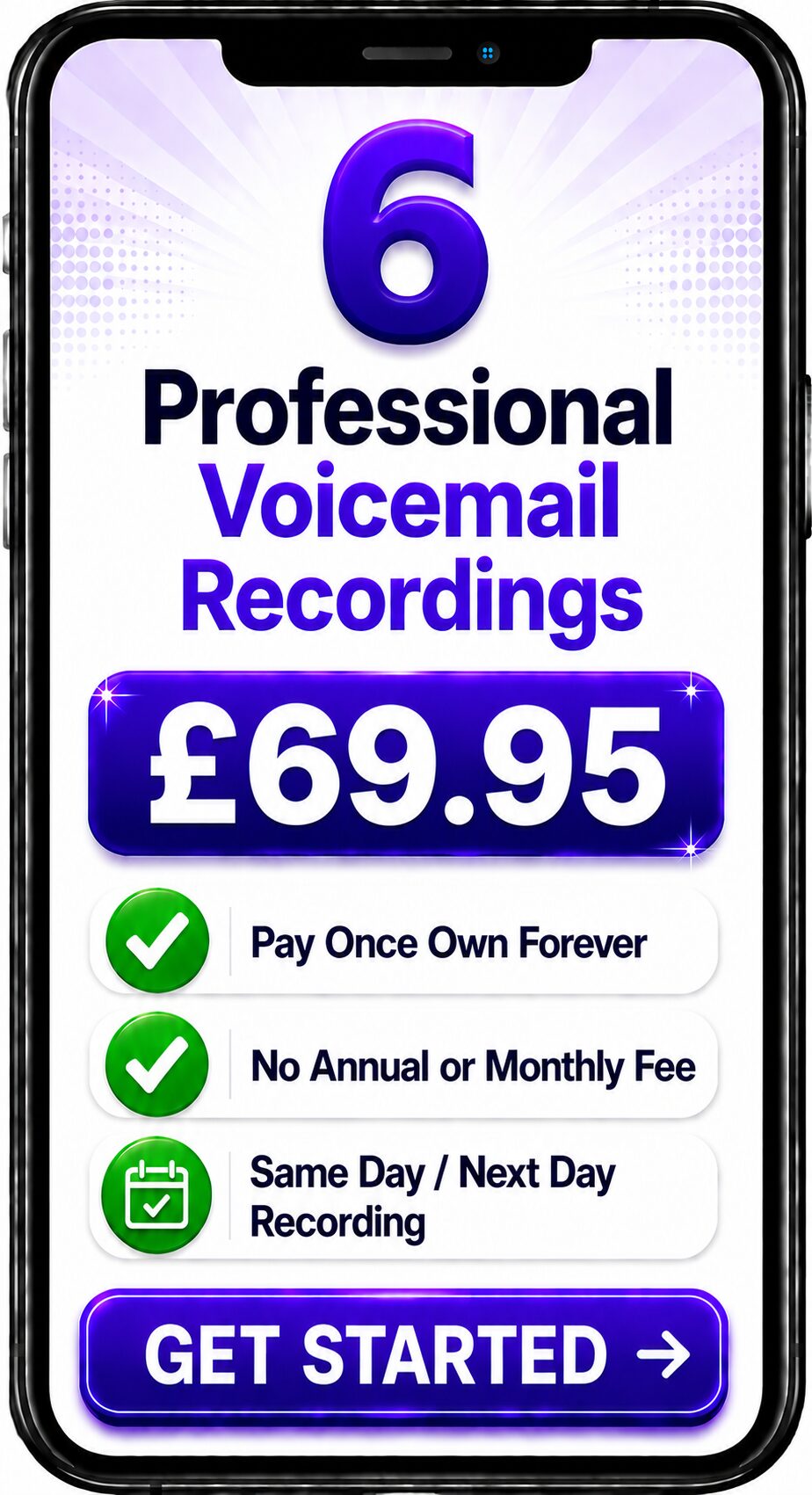

Bethany
24 Hours / 48 Hours

Emily
24 Hours / 48 Hours
Spencer
Same Day / Next Day
The Complete Guide to Professional Music on Hold and On-Hold Messages
Quick Answer
Music on Hold is the audio callers hear while waiting for someone to answer or return to their call. Modern Music on Hold systems often combine licensed background music with professionally recorded announcements, creating a more engaging and reassuring experience for callers. When used effectively, Music on Hold reduces perceived waiting times, strengthens brand identity and improves the overall customer experience.
At a Glance
| Feature | Music on Hold |
|---|---|
| Plays while callers wait | ✔ Yes |
| Can include professional voice messages | ✔ Yes |
| Improves customer experience | ✔ Yes |
| Reinforces your brand | ✔ Yes |
| Reduces perceived waiting time | ✔ Yes |
| Suitable for businesses of all sizes | ✔ Yes |
| Works with VoIP and cloud phone systems | ✔ Yes |
About This Guide
This guide has been written by Spencer Cork, a professional British voice over artist with more than 30 years of experience recording Music on Hold messages, telephone greetings, IVR prompts and business voicemail announcements for organisations throughout the UK and internationally.
Combining professionally recorded voice announcements with carefully chosen licensed music can transform the waiting experience and help businesses maintain a positive impression even when callers cannot be answered immediately.
What is Music on Hold?
Music on Hold is the audio played automatically when a caller is placed on hold or waiting in a call queue.
Years ago, callers often heard silence or repetitive beeps, leaving them unsure whether the call had been disconnected.
Today, businesses use professionally produced Music on Hold to reassure callers that the connection remains active while providing a more enjoyable waiting experience.
Many systems combine background music with professionally recorded announcements, offering useful information, answering common questions and reinforcing the company's brand.
How Does Music on Hold Work?
The process is simple:
- A caller contacts your business.
- An advisor is unavailable or places the caller on hold.
- Licensed background music begins playing.
- Professionally recorded announcements play at regular intervals.
- The caller remains informed and reassured until the conversation resumes.
This combination of music and messaging helps make waiting feel shorter and more purposeful.
Why Music on Hold Matters
Waiting on hold is rarely enjoyable.
However, the experience can be improved significantly.
Professional Music on Hold helps businesses:
- reassure callers
- reduce perceived waiting times
- create a more relaxed atmosphere
- strengthen brand identity
- answer common questions
- promote useful services without being intrusive
- improve customer satisfaction
The quality of the waiting experience often influences how customers feel about the business before the conversation even begins.
Music on Hold vs Call Queue Messages
Although they often work together, they perform different roles.
| Music on Hold | Call Queue Messages |
| Uses licensed background music | Uses spoken announcements |
| Creates a pleasant atmosphere | Provides information and reassurance |
| Reduces perceived waiting time | Explains what is happening |
| Enhances brand personality | Guides and informs callers |
The most effective systems combine both elements to create a balanced caller experience.
What Makes Effective Music on Hold?
Successful Music on Hold usually includes:
- licensed background music
- professionally recorded voice announcements
- consistent branding
- calm pacing
- useful information
- regular but not excessive message intervals
- clear, high-quality audio
The objective is to keep callers informed and comfortable rather than overwhelming them with constant promotions.
Why Professional Voice Recordings Matter
Music alone rarely tells callers what they need to know.
Professionally recorded announcements help explain delays, answer common questions and reassure customers that their call remains important.
Benefits include:
- clear pronunciation
- consistent brand identity
- excellent audio quality
- improved accessibility
- stronger customer confidence
- a more polished and professional image
A calm, natural voice complements the music and creates a more reassuring experience.
Spencer's Professional Insight
One of the biggest mistakes I hear is businesses choosing music that is far louder than the spoken announcements.
If callers have to strain to hear important information, the recordings lose much of their value.
A carefully balanced mix between music and voice creates a much more comfortable listening experience and allows important messages to be understood clearly.
Less is often more.
Common Mistakes
Avoid:
- unlicensed music
- music that is too loud
- announcements that interrupt too frequently
- overly promotional messages
- poor audio quality
- outdated information
- inconsistent voices across your telephone system
A professional balance between music and messaging is the key to a successful caller experience.
Common Myths
"Any music will do."
No.
Businesses should always ensure they have the appropriate rights or licences to use music on hold.
"Customers dislike all hold music."
Not necessarily.
Most callers accept waiting if they feel reassured and informed.
Professional music combined with clear announcements generally creates a much better experience than silence.
"Music on Hold is only for large organisations."
Businesses of every size can benefit from improving the experience callers have while waiting.
Best Practice Checklist
✔ Use appropriately licensed music.
✔ Keep announcements clear and concise.
✔ Maintain consistent branding.
✔ Balance music and voice levels carefully.
✔ Update promotional messages regularly.
✔ Use one professional voice throughout your telephone system.
✔ Review your caller experience from the customer's perspective.
Frequently Asked Questions
What is Music on Hold?
Music on Hold is audio played while callers wait for their call to be answered or returned to an advisor.
Should Music on Hold include spoken announcements?
In many cases, yes. Professionally recorded announcements provide reassurance, useful information and strengthen brand identity.
Can Music on Hold reduce caller frustration?
Well-designed Music on Hold can reduce perceived waiting times and improve the overall customer experience.
Do I need permission to use music?
Yes. Businesses should use appropriately licensed music or royalty-free music where suitable and ensure they comply with any applicable licensing requirements.
Should Music on Hold be professionally produced?
Yes. Professionally recorded announcements combined with carefully selected music create a more polished, reassuring and effective caller experience.
Related Guides
Continue exploring the Business Voice Communications Library:
- Call Queue Messages
- Business Voicemail
- Professional Telephone Greetings
- What is Interactive Voice Response (IVR)?
- What is an Auto Attendant?
- What is VoIP?
- What is Cloud Telephony?
- Voice Branding
Professional Music on Hold Recordings
Every second a customer spends waiting is an opportunity to reinforce confidence in your business.
Professionally recorded Music on Hold announcements, combined with suitable licensed music, help create a calm, informative and professional experience that keeps callers engaged while they wait.
Whether you're refreshing an existing telephone system or implementing a new cloud communications platform, professionally produced Music on Hold recordings ensure your business sounds organised, reassuring and memorable from start to finish.
Contact the Team
Get a Fast Answer to Your Question
How To Order
Voicemail Recordings Video Guide