Telephone Overflow Handling
How Telephone Overflow Handling Helps Businesses Deliver Better Customer Service



Choose a Professional Voice Over Artist for Your Recording
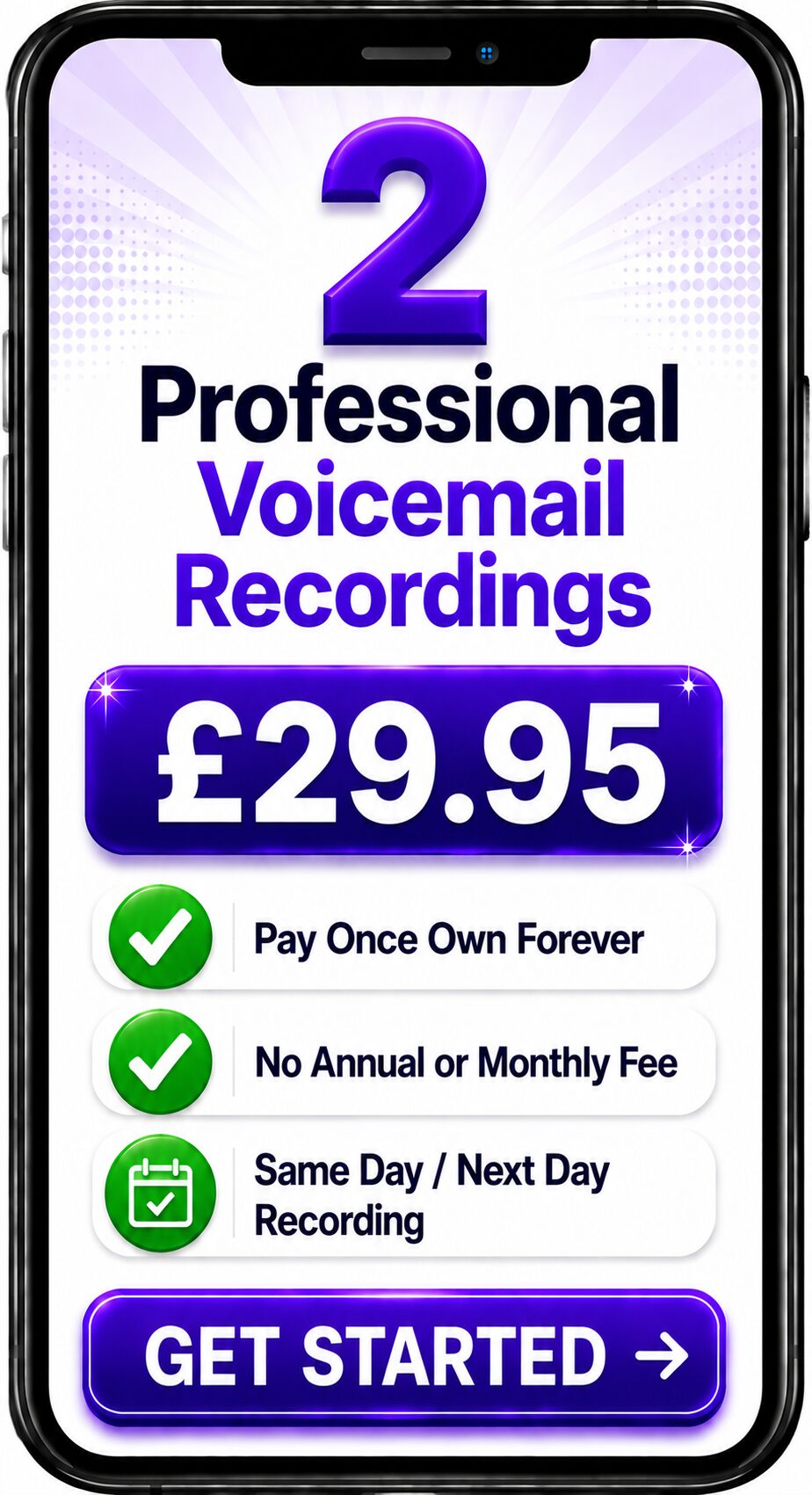
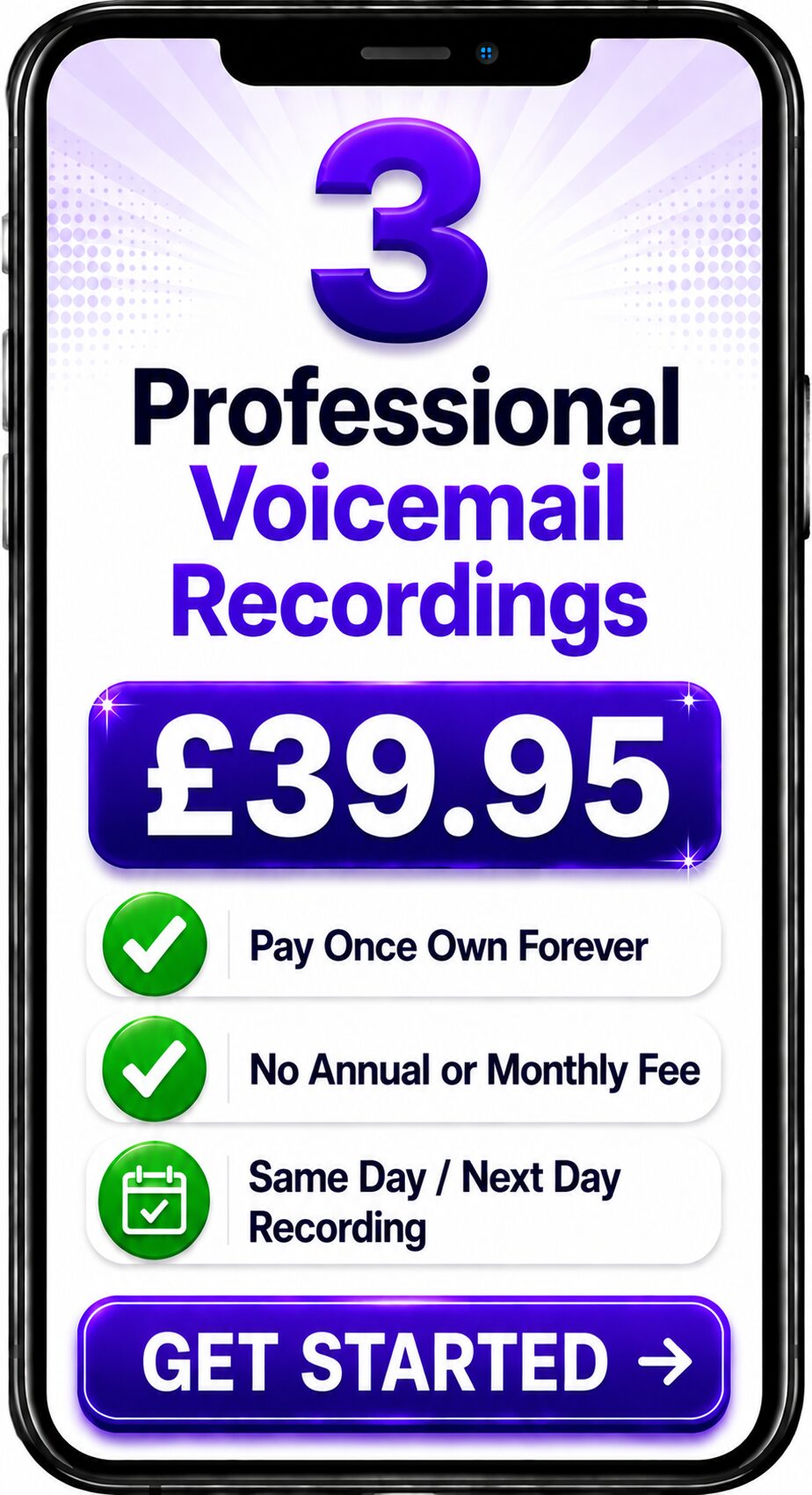
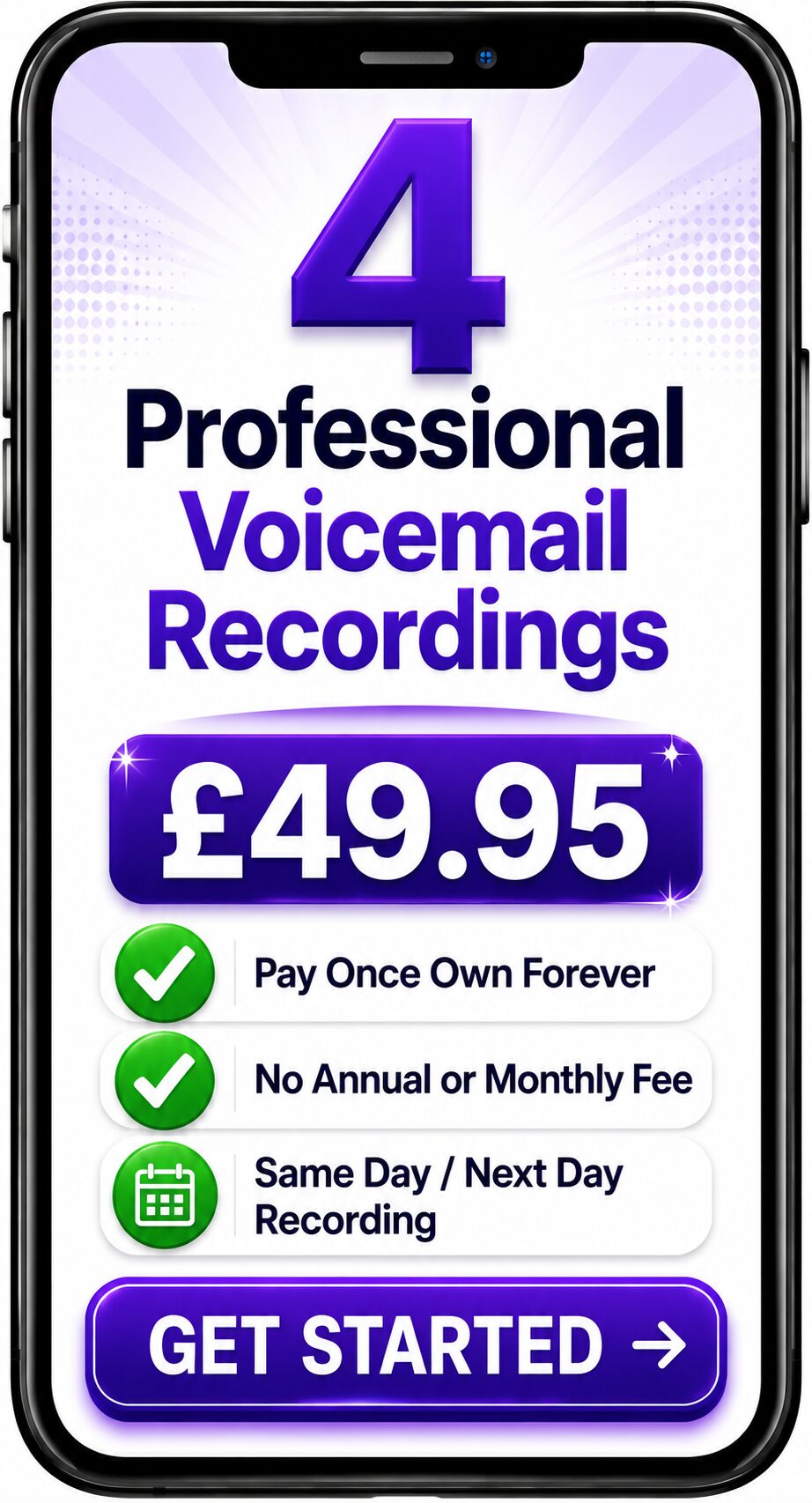
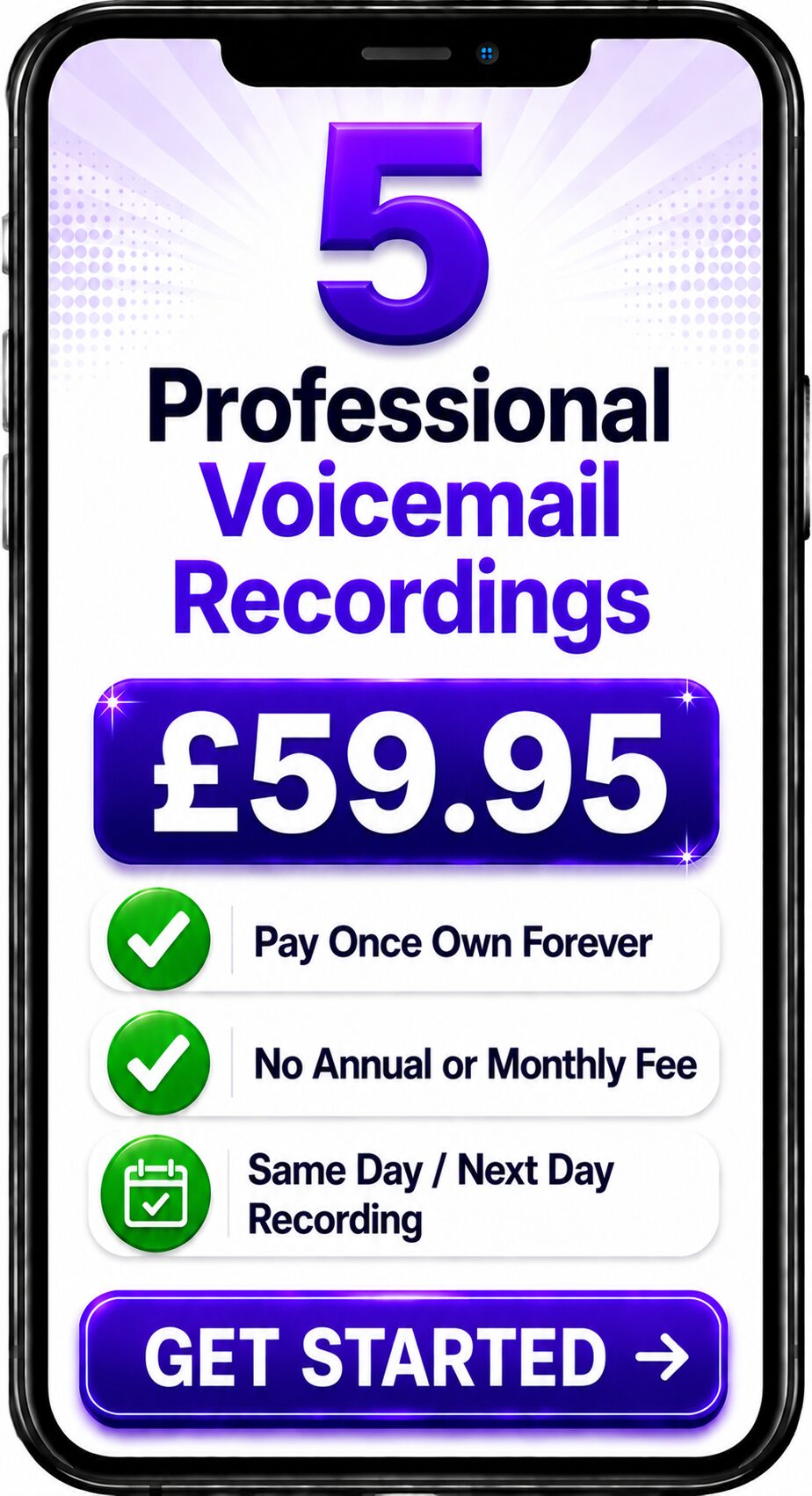
Choose Number of Recordings
Choose a Professional Voice Over


Spencer
Same Day / Next Day

Melanie
24 Hours / 48 Hours

Gemma
24 Hours / 48 Hours

Bethany
24 Hours / 48 Hours

Emily
24 Hours / 48 Hours
Spencer
Same Day / Next Day
How Telephone Overflow Handling Helps Businesses Deliver Better Customer Service
No business can predict every busy period.
Unexpected spikes in demand, seasonal peaks, staff absences and marketing campaigns can all increase call volumes beyond normal levels. Without a clear strategy for managing these additional calls, customers may experience long wait times, unanswered calls or repeated transfers.
Telephone overflow handling is the process of managing incoming calls when your primary team or department has reached capacity. A well-designed overflow strategy ensures customers continue to receive a professional experience, even during the busiest periods.
Combined with clear procedures and professionally recorded telephone greetings, overflow handling protects customer relationships, improves operational efficiency and reduces the number of missed opportunities.
What Is Telephone Overflow Handling?
Telephone overflow handling is the planned process of directing calls to an alternative destination when the original person, team or department is unavailable.
Rather than allowing calls to ring unanswered or remain in lengthy queues, overflow rules redirect callers to another suitable option.
These options may include:
- Another member of the team
- Reception
- A secondary office
- A dedicated customer service department
- A call answering team
- Voicemail
- A callback service
- An alternative business location
The objective is to ensure every caller receives a timely and professional response.
Why Overflow Handling Matters
Customers rarely know why a business is busy.
They simply expect someone to answer their call.
Effective overflow handling helps organisations:
- Reduce missed calls
- Improve customer satisfaction
- Shorten waiting times
- Protect sales opportunities
- Improve business continuity
- Reduce staff pressure
- Increase first-contact resolution
- Strengthen brand reputation
A well-managed overflow process reassures callers that their enquiry remains important.
When Businesses Need Overflow Handling
Overflow procedures are useful in many situations.
High Call Volumes
Marketing campaigns, promotions or seasonal demand can quickly increase incoming calls.
Overflow rules help maintain service levels.
Staff Shortages
Annual leave, illness or training may reduce the number of available advisers.
Alternative routing keeps communication flowing.
Department Capacity
Individual departments may experience temporary peaks while others remain available.
Overflow routing distributes workload more effectively.
Emergency Situations
Unexpected events may affect one office or location.
Calls can be redirected to another team without disrupting customer communication.
Multi-Site Businesses
Organisations with multiple locations can share call volumes between offices to improve responsiveness.
Common Telephone Overflow Strategies
Businesses use several different approaches depending on their size and operational requirements.
Sequential Overflow
Calls are offered to additional staff members one after another until someone answers.
Suitable for:
- Small businesses
- Reception teams
- Administrative offices
Simultaneous Overflow
Several telephones ring at the same time.
The first available person answers.
This helps reduce response times.
Department Overflow
Calls automatically transfer to another department if the preferred team is unavailable.
For example:
- Sales to Reception
- Customer Service to Administration
- Technical Support to Helpdesk
Location-Based Overflow
Businesses with multiple offices can route calls to another branch when one location becomes busy.
Callback Overflow
Instead of remaining in a queue, callers can request a callback.
This improves customer convenience while reducing queue pressure.
Voicemail Overflow
When no advisers are available, professionally recorded voicemail greetings ensure callers know how to leave a message and when to expect a response.
The Importance of Professional Voice Recordings
Professional voice recordings help make overflow handling clear and reassuring.
Typical recordings include:
- Welcome greetings
- Queue announcements
- Overflow notifications
- Callback invitations
- Voicemail greetings
- Department messages
- Availability announcements
- Out-of-hours recordings
Using one professional voice throughout the telephone system creates consistency and reinforces your brand.
Best Practice for Overflow Handling
Plan Ahead
Don't wait until call volumes become a problem.
Create overflow procedures before they are needed.
Keep Customers Informed
Explain delays honestly and clearly.
Customers appreciate transparency.
Offer Alternatives
Provide callback options, voicemail or online contact methods whenever appropriate.
Review Performance
Monitor:
- Missed calls
- Queue times
- Overflow frequency
- Customer feedback
Continuous improvement helps maintain service quality.
Maintain Professional Recordings
Update telephone messages whenever procedures or business hours change.
Common Overflow Handling Mistakes
Businesses sometimes:
- Allow calls to ring indefinitely
- Transfer callers repeatedly
- Provide unclear queue messages
- Fail to update recordings
- Ignore overflow reporting
- Leave voicemail boxes full
- Offer no alternative contact options
These issues can quickly damage customer confidence.
Overflow Handling and Customer Experience
Customers understand that businesses become busy.
What matters is how that situation is communicated.
An effective overflow strategy demonstrates that your organisation:
- Values customers' time
- Plans for busy periods
- Communicates clearly
- Maintains professionalism
- Prioritises excellent service
Good communication often matters as much as answering immediately.
Supporting Overflow Handling with Professional Voice Recordings
Professional recordings help businesses:
- Explain delays calmly
- Maintain a consistent tone
- Reduce caller frustration
- Reinforce brand identity
- Increase confidence in the organisation
- Improve the overall telephone journey
Every recorded message contributes to the customer's perception of your business.
Frequently Asked Questions
What is telephone overflow handling?
Telephone overflow handling is the process of redirecting calls when the original person or department is unavailable, ensuring customers continue to receive timely assistance.
Why is overflow handling important?
It reduces missed calls, improves customer satisfaction, protects sales opportunities and helps businesses maintain service during busy periods.
What happens if no one is available?
Businesses may direct callers to voicemail, offer a callback service or route calls to another department or location.
Why use professionally recorded overflow messages?
Professional recordings explain delays clearly, reassure callers and create a consistent, high-quality customer experience.
Related Guides
This guide forms part of the Business Voice Communications Knowledge Library.
Related resources include:
- Call Handling Procedures
- Telephone Call Management
- Call Routing Strategies
- Customer Callback Strategy
- Missed Call Management
- Business Availability Messages
- Queue Announcements
- Business Voicemail Greetings
- Telephone Customer Experience
- Voice Branding
Conclusion
Telephone overflow handling ensures businesses remain responsive during busy periods by directing callers to alternative resources, callback services or voicemail when primary teams reach capacity.
When supported by professionally recorded greetings, queue announcements and overflow messages, this approach keeps customers informed, reduces frustration and protects valuable business opportunities. Effective overflow handling is not simply about managing additional calls—it's about maintaining exceptional customer communication regardless of demand.
Contact the Team
Get a Fast Answer to Your Question
How To Order
Voicemail Recordings Video Guide