Customer Callback Strategy
How a Customer Callback Strategy Improves Service and Reduces Call Abandonment



Choose a Professional Voice Over Artist for Your Recording
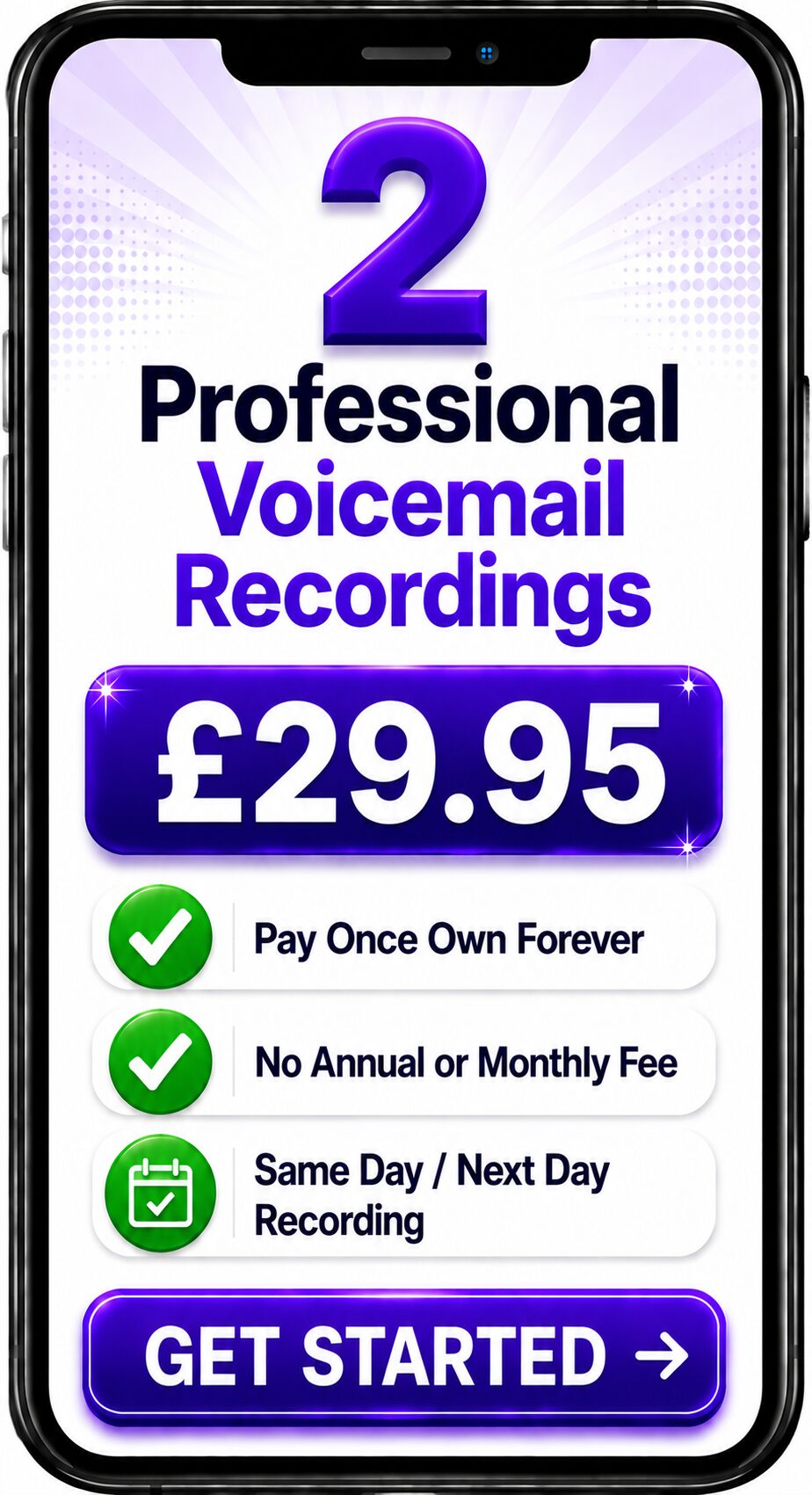
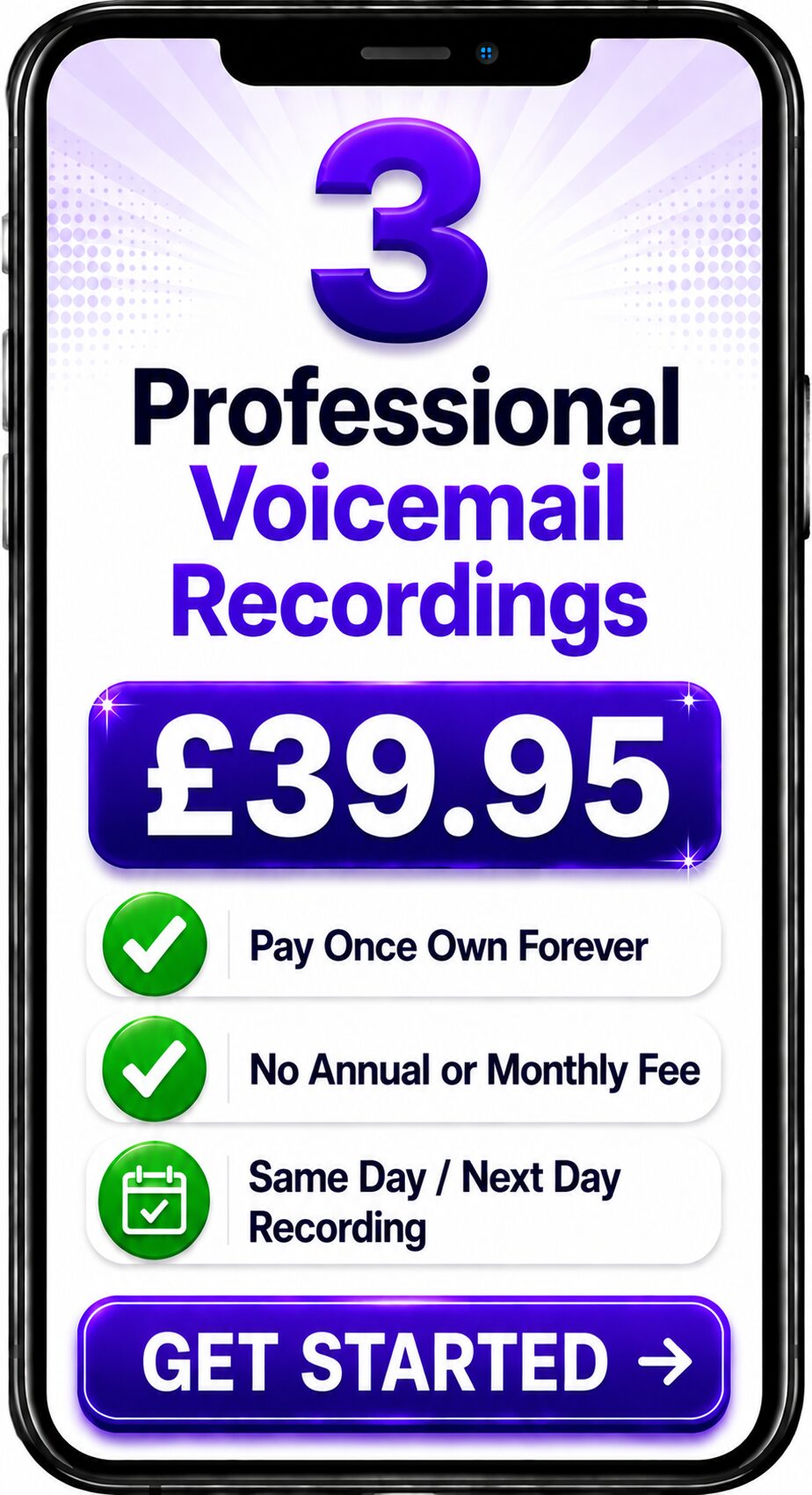
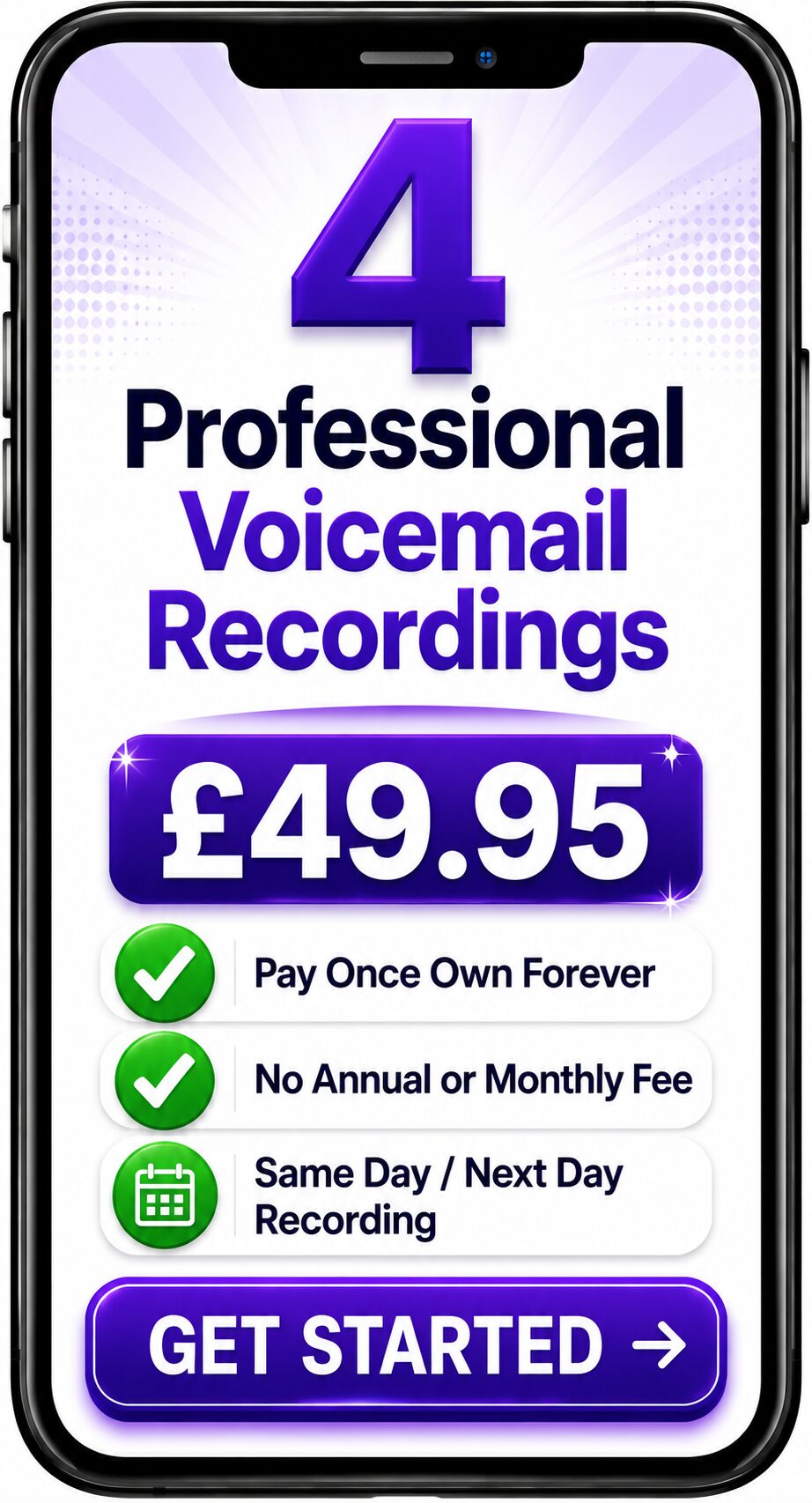
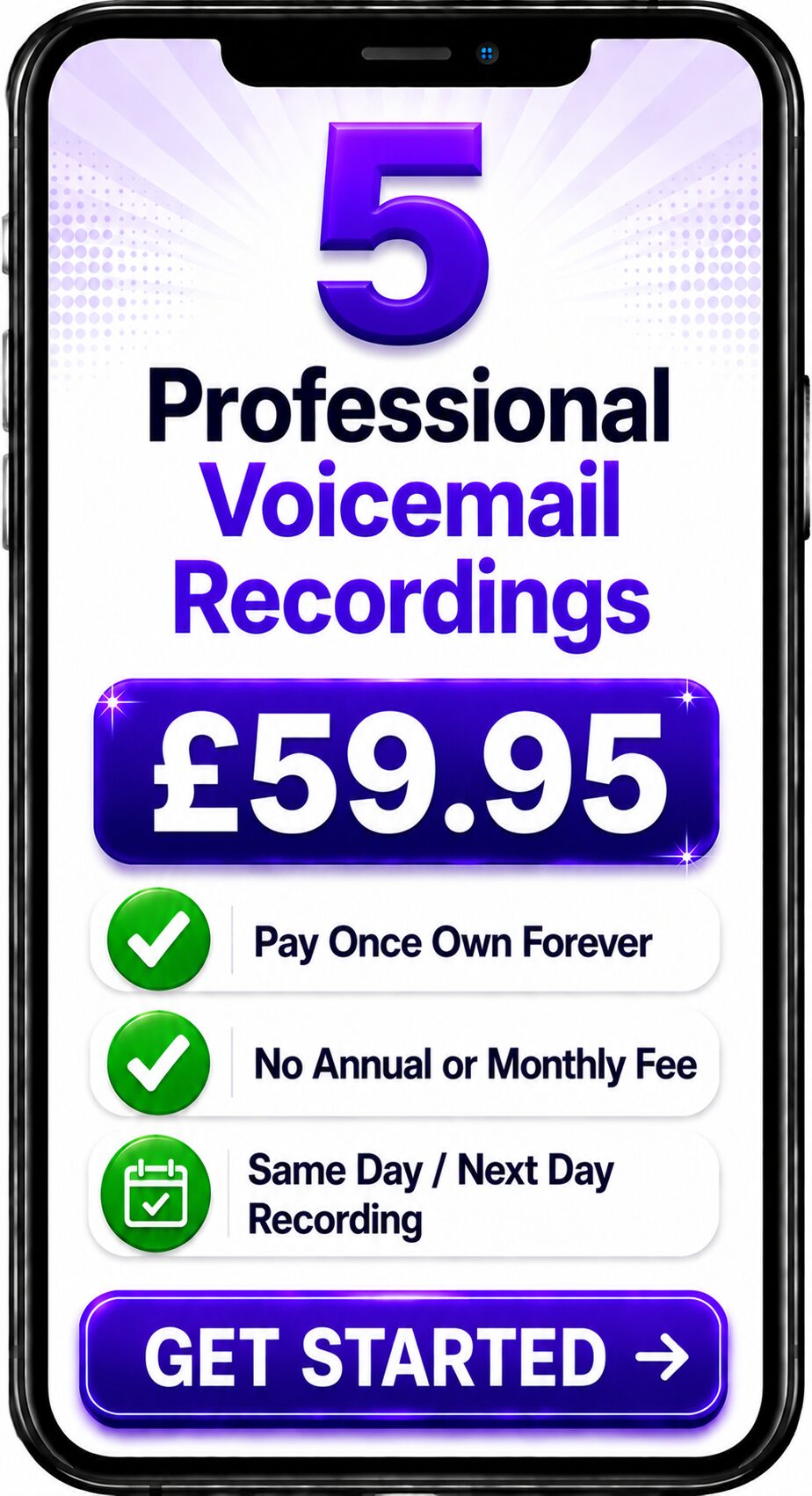
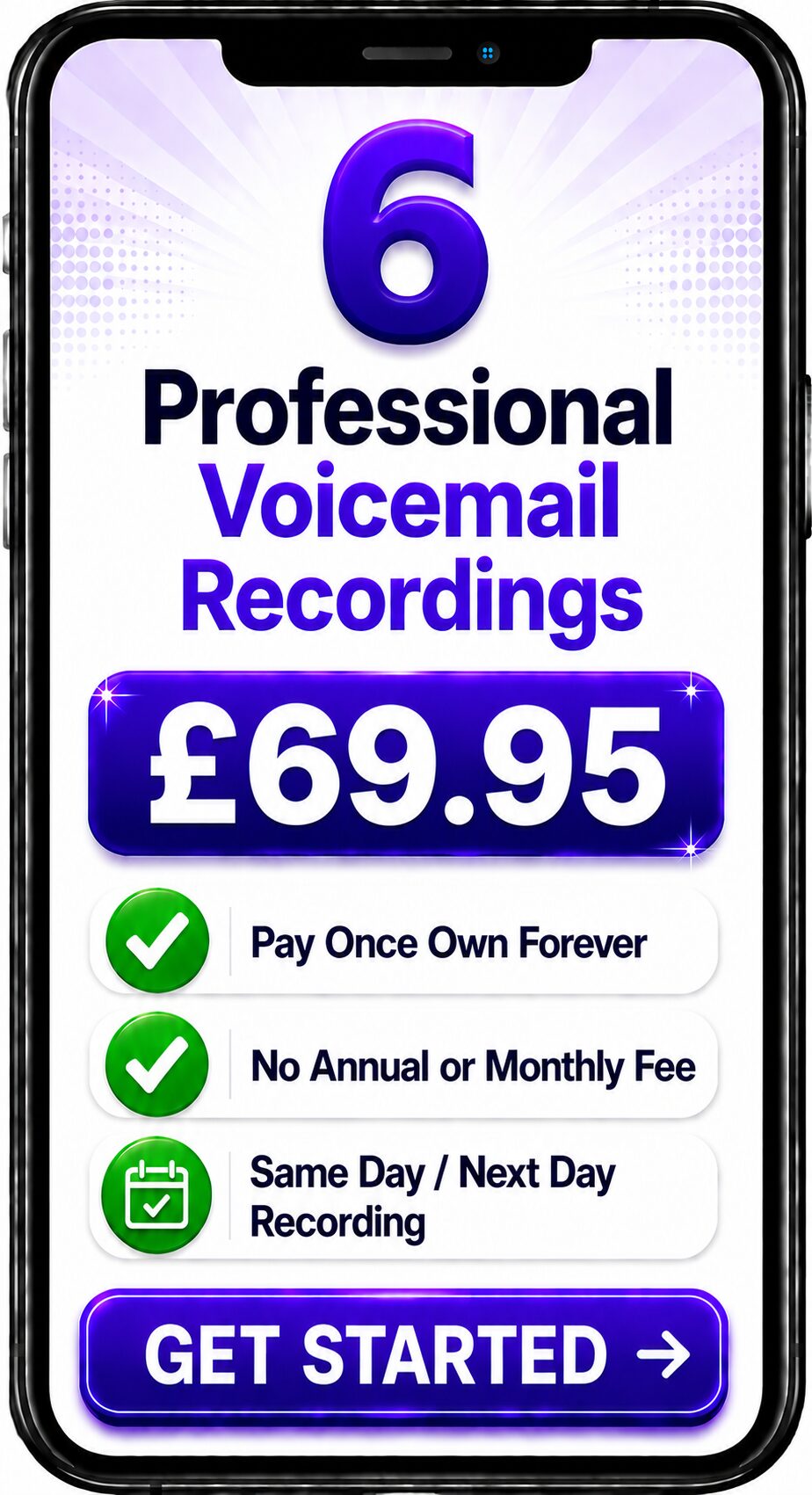
Choose Number of Recordings
Choose a Professional Voice Over


Spencer
Same Day / Next Day

Melanie
24 Hours / 48 Hours

Gemma
24 Hours / 48 Hours

Bethany
24 Hours / 48 Hours

Emily
24 Hours / 48 Hours
Spencer
Same Day / Next Day
How a Customer Callback Strategy Improves Service and Reduces Call Abandonment
Few things frustrate customers more than waiting on hold without knowing how long it will take to speak with someone.
As customer expectations continue to evolve, businesses are looking for smarter ways to manage busy periods without compromising service. One of the most effective approaches is a well-planned customer callback strategy.
Rather than asking callers to remain in a queue, callback systems allow customers to keep their place while receiving a return call when an adviser becomes available. This improves convenience, reduces frustration and helps businesses manage peak demand more efficiently.
A successful callback strategy combines clear business processes, reliable telephone technology and professionally recorded voice prompts that explain the service in a simple and reassuring way.
What Is a Customer Callback Strategy?
A customer callback strategy is a planned approach that allows callers to request a return call instead of waiting on hold.
The system records the customer's details, retains their position in the queue or schedules a callback, allowing advisers to contact them when they become available.
A typical callback process includes:
- Greeting the caller
- Informing them of expected waiting times
- Offering a callback option
- Collecting the caller's details
- Confirming the request
- Returning the call within an agreed timeframe
The objective is to improve the customer experience while making better use of staff resources.
Why Callback Strategies Matter
Long waiting times can have a significant impact on customer satisfaction.
An effective callback strategy helps businesses:
- Reduce call abandonment
- Improve customer satisfaction
- Lower caller frustration
- Distribute workload more effectively
- Improve adviser productivity
- Increase first-contact resolution
- Enhance brand perception
- Improve operational efficiency
Customers appreciate having a choice rather than feeling forced to remain on hold.
When Should Businesses Offer Callbacks?
Callback options are particularly valuable during:
High Call Volumes
Busy periods can quickly create long queues.
Offering callbacks reduces pressure on both customers and staff.
Seasonal Demand
Retailers, travel companies, healthcare providers and many other organisations experience predictable peaks throughout the year.
Callbacks help maintain service levels during these periods.
Limited Staffing
Small businesses and specialist teams often have limited resources.
A callback system allows enquiries to be managed in an organised and professional manner.
Technical Support
Complex enquiries may require additional investigation.
Scheduling a callback ensures customers receive the attention they need without waiting unnecessarily.
Sales Enquiries
Prospective customers are more likely to remain engaged if they know they will receive a prompt return call.
Designing an Effective Callback Strategy
Successful callback strategies include several key elements.
Explain the Option Clearly
Customers should immediately understand:
- Why a callback is available
- How it works
- Whether they will keep their place in the queue
- When they can expect a return call
Professionally recorded voice prompts make these explanations clear and consistent.
Set Realistic Expectations
Avoid promising unrealistic response times.
Instead, provide clear guidance such as:
- Within the next hour
- Before the end of the business day
- On the next working day
Managing expectations helps build trust.
Confirm Customer Details
Always confirm:
- Name
- Telephone number
- Preferred callback number where appropriate
- Reason for the enquiry
Accurate information reduces failed callbacks.
Prioritise Urgent Requests
Where appropriate, businesses may prioritise:
- Existing customers
- Critical service issues
- Emergency enquiries
- Vulnerable customers
Clear internal procedures help ensure fair and consistent handling.
The Role of Professional Voice Recordings
The way a callback option is presented has a significant influence on whether customers choose it.
Professionally recorded prompts help by:
- Explaining callback options clearly
- Creating confidence in the process
- Reinforcing your brand identity
- Maintaining consistency across the telephone system
- Improving accessibility
- Reducing customer uncertainty
A calm, professional voice reassures callers that their request will be handled efficiently.
Example Callback Message
"Thank you for your patience.
All of our advisers are currently assisting other customers.
If you would prefer not to wait, you can request a callback and keep your place in the queue.
Please press 1 and we'll call you back as soon as an adviser becomes available."
This type of recording is clear, concise and customer focused.
Best Practice for Callback Strategies
Offer the Option Early
Avoid making customers wait unnecessarily before mentioning callbacks.
Keep Instructions Simple
Explain the process using plain language.
Deliver on Your Promise
Returning calls within the promised timeframe is essential.
Monitor Performance
Review callback completion rates, response times and customer feedback.
Maintain Professional Communication
Use professionally recorded greetings and confirmations throughout the callback journey.
Common Callback Strategy Mistakes
Businesses sometimes:
- Offer callbacks too late
- Fail to return calls promptly
- Use unclear recordings
- Forget to confirm telephone numbers
- Provide unrealistic response times
- Leave customers uncertain about what happens next
Regular reviews help improve reliability and customer satisfaction.
Callback Strategies and Customer Experience
A callback strategy demonstrates respect for a customer's time.
Rather than asking callers to remain on hold indefinitely, businesses provide flexibility and convenience.
Benefits include:
- Reduced frustration
- Improved customer confidence
- Higher satisfaction
- Better accessibility
- More positive brand perception
- Increased loyalty
A well-managed callback service can become a competitive advantage.
Supporting Callback Services with Professional Voice Recordings
Professional recordings are commonly used for:
- Callback invitations
- Queue announcements
- Confirmation messages
- Estimated response information
- Out-of-hours callback requests
- Appointment callback confirmations
- Customer service updates
Using the same professional voice across every recording creates a consistent and reassuring customer journey.
Frequently Asked Questions
What is a customer callback strategy?
A customer callback strategy allows callers to request a return call instead of waiting on hold, helping businesses improve service while reducing queue times.
Why do businesses offer callback services?
Callbacks improve customer convenience, reduce abandoned calls, distribute workloads more efficiently and enhance the overall customer experience.
Should callback messages be professionally recorded?
Yes.
Professionally recorded prompts improve clarity, build confidence and ensure customers receive consistent information throughout the process.
How quickly should callbacks be returned?
Businesses should provide realistic response times and make every effort to return calls within the promised timeframe.
Related Guides
This guide forms part of the Business Voice Communications Knowledge Library.
Related resources include:
- Call Handling Procedures
- Telephone Call Management
- Call Routing Strategies
- Call Queue Management
- Queue Announcements
- Business Availability Messages
- Auto Attendant Systems
- Business Voicemail Greetings
- Telephone Customer Experience
- Voice Branding
Conclusion
A well-designed customer callback strategy allows businesses to improve customer service while managing busy periods more effectively. By giving callers the choice to receive a return call instead of waiting on hold, organisations demonstrate respect for their customers' time and create a more positive telephone experience.
When supported by professionally recorded greetings, callback invitations and queue announcements, callback services become a seamless part of the customer journey, reinforcing your brand while helping every caller feel informed, valued and confident that their enquiry will be handled professionally.
Contact the Team
Get a Fast Answer to Your Question
How To Order
Voicemail Recordings Video Guide