Call Routing Strategies
How Effective Call Routing Strategies Improve Customer Experience



Choose a Professional Voice Over Artist for Your Recording
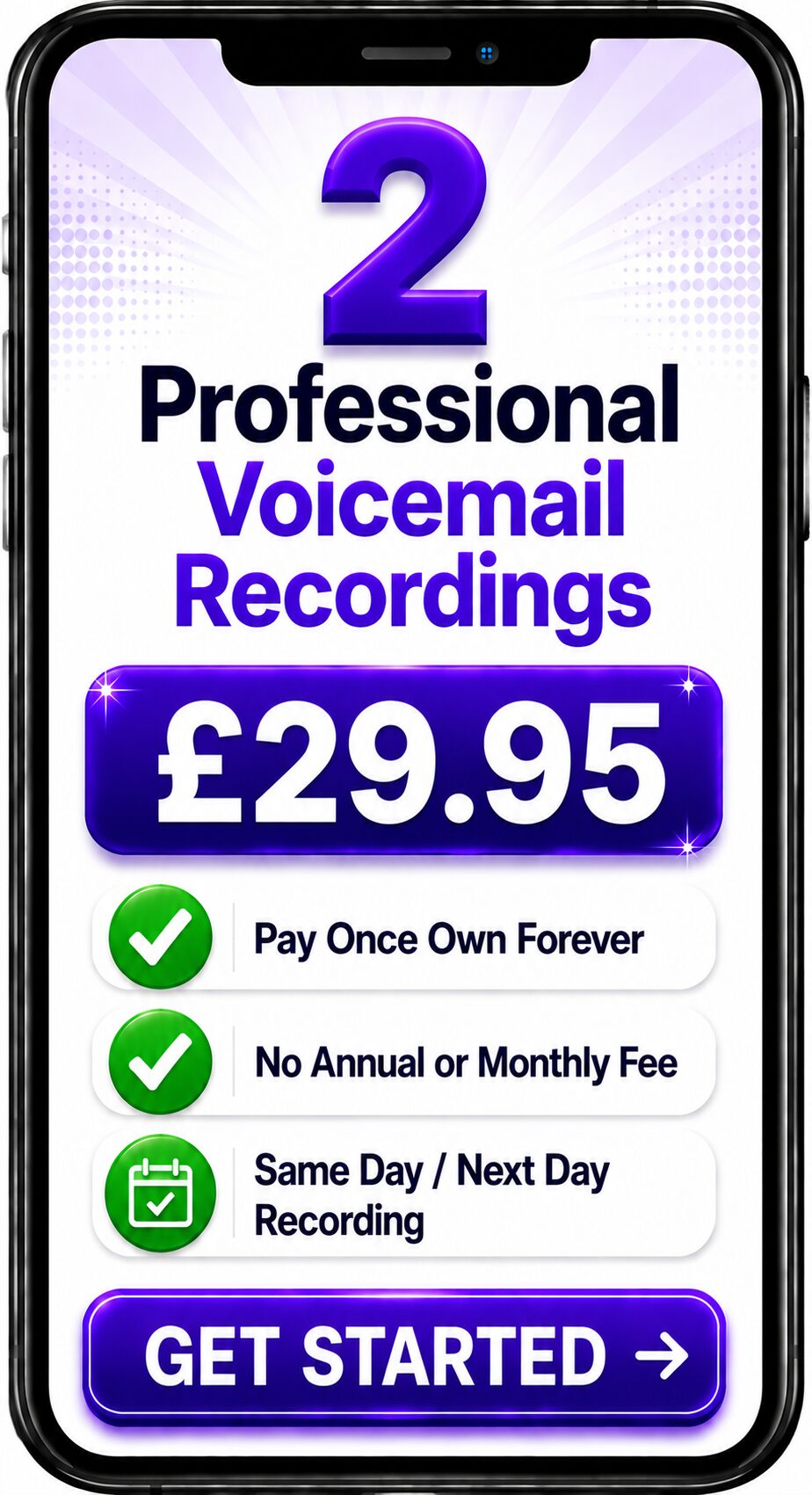
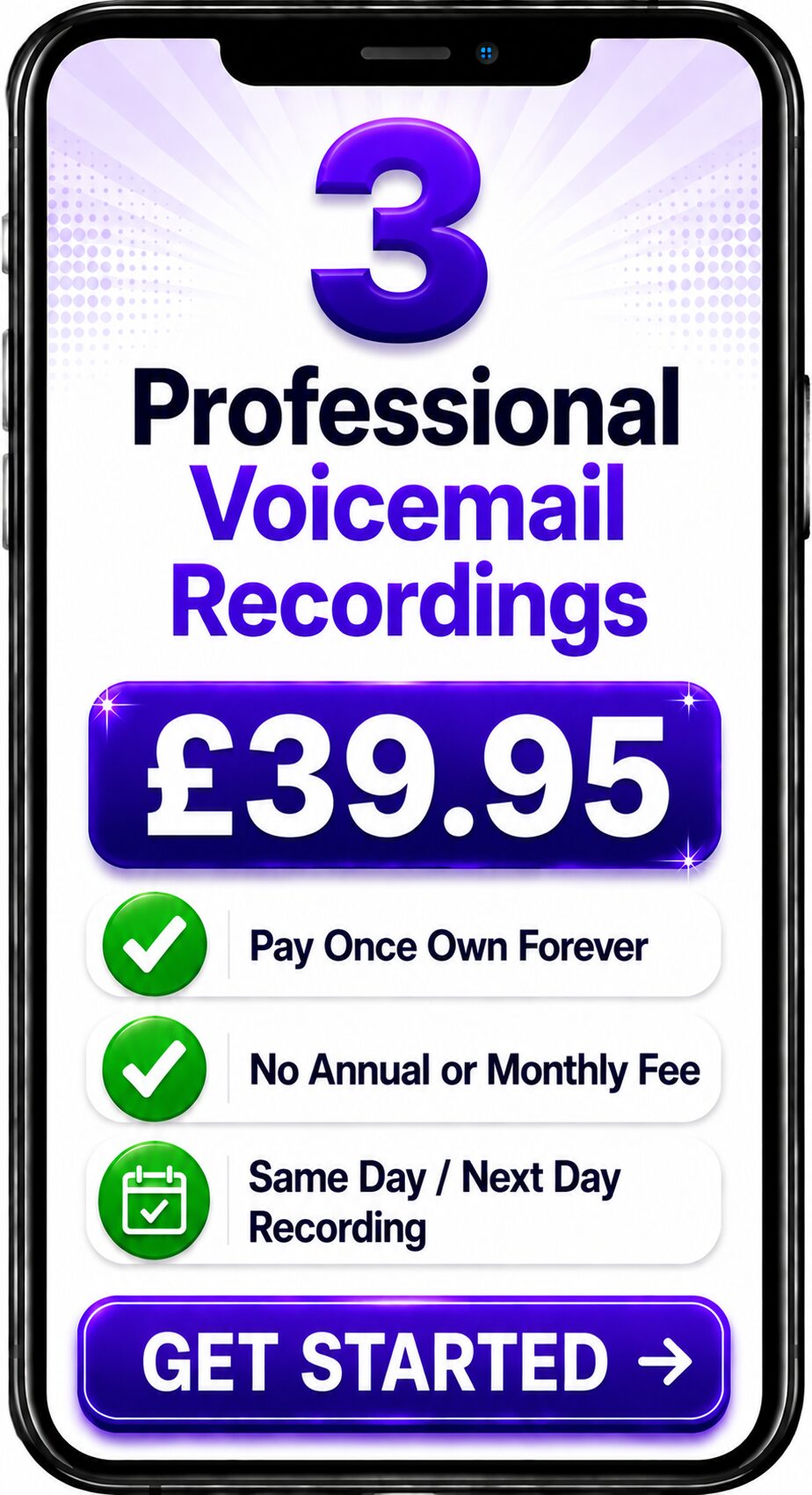
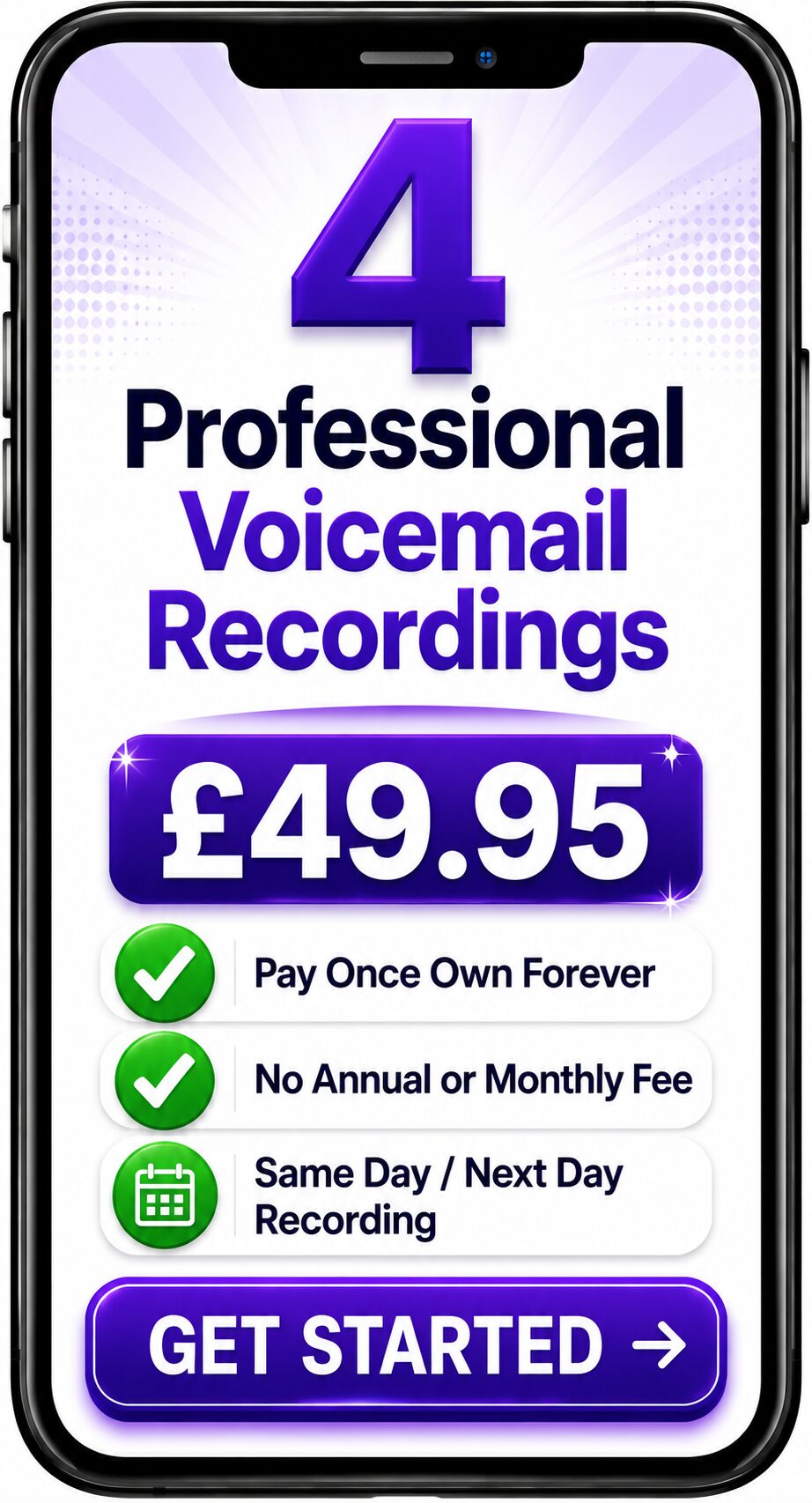
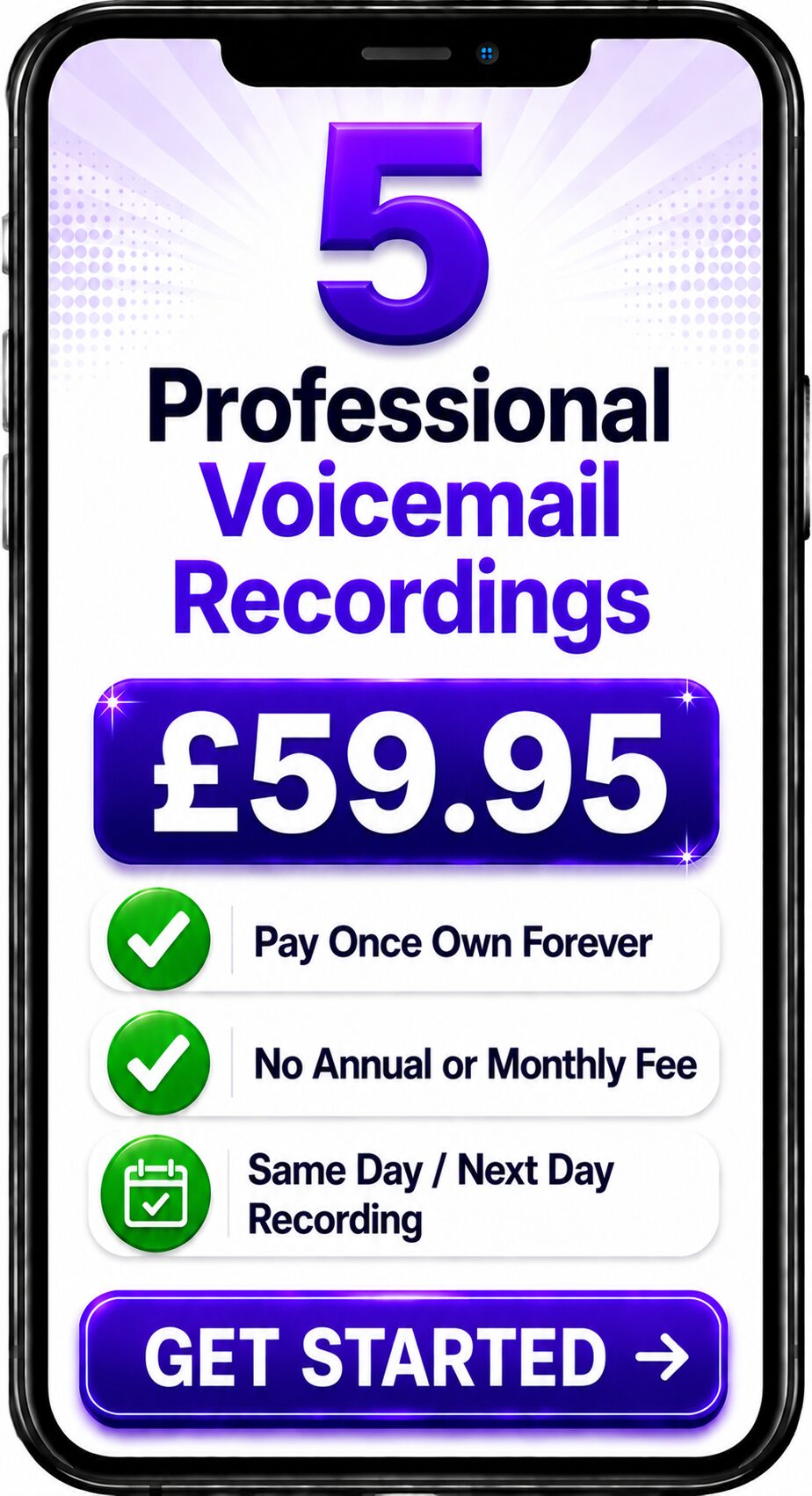
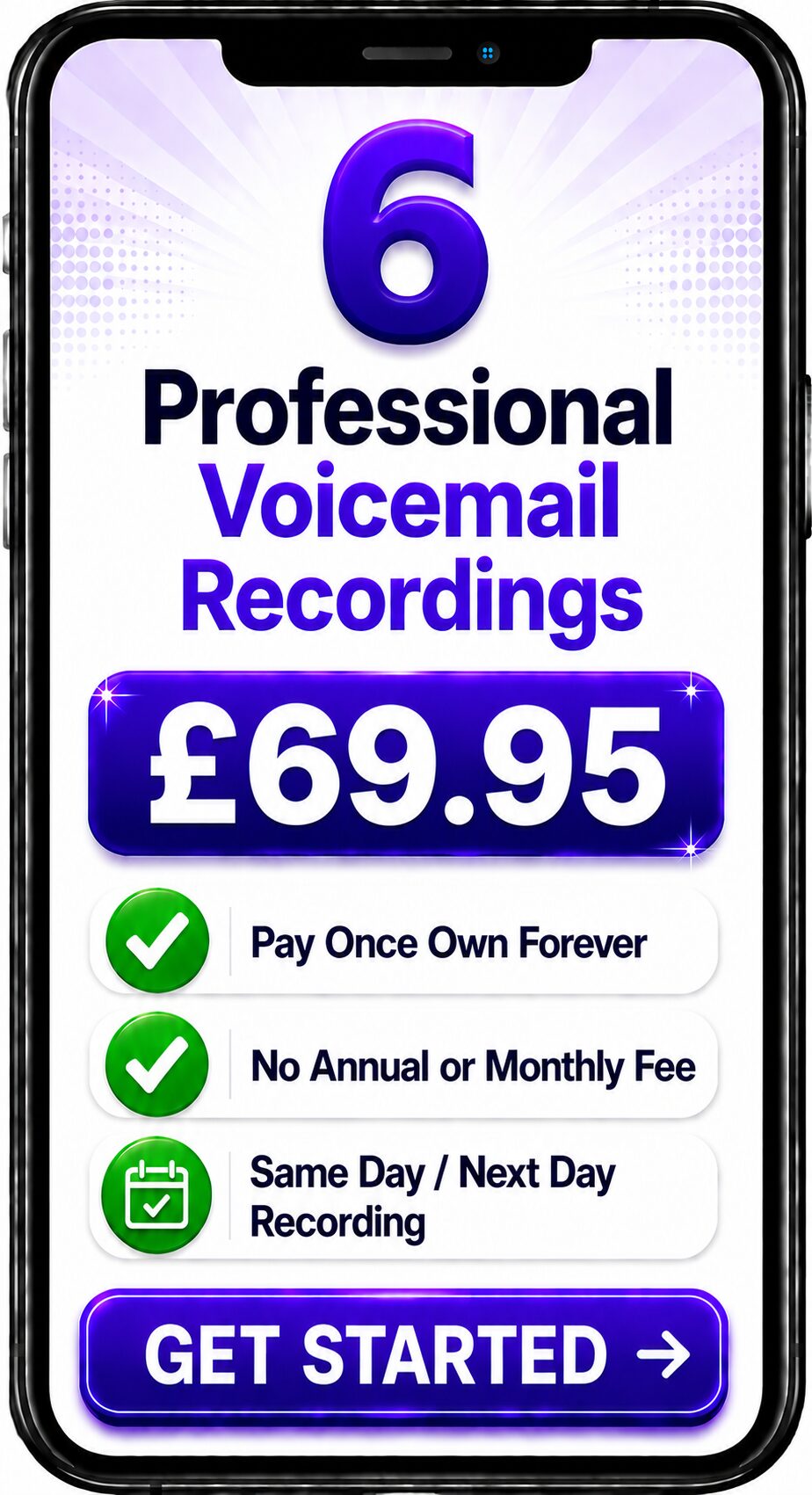
Choose Number of Recordings
Choose a Professional Voice Over


Spencer
Same Day / Next Day

Melanie
24 Hours / 48 Hours

Gemma
24 Hours / 48 Hours

Bethany
24 Hours / 48 Hours

Emily
24 Hours / 48 Hours
Spencer
Same Day / Next Day
How Effective Call Routing Strategies Improve Customer Experience
Getting customers to the right person quickly is one of the most important aspects of delivering excellent customer service.
When callers reach the correct department without unnecessary transfers or long waiting times, they are more likely to feel confident in your organisation and satisfied with the service they receive. Poor call routing, on the other hand, can lead to frustration, abandoned calls and missed business opportunities.
A well-planned call routing strategy helps businesses direct every incoming call efficiently by combining clear processes, intelligent telephone system configuration and professionally recorded voice prompts. Whether your organisation receives dozens or thousands of calls each day, effective routing ensures callers reach the right destination as quickly as possible.
What Is a Call Routing Strategy?
A call routing strategy is the planned method a business uses to direct incoming telephone calls to the most appropriate person, team or department.
Rather than answering every call in the same way, routing strategies use predefined rules to ensure enquiries are handled efficiently.
Routing may be based on:
- Department selection
- Type of enquiry
- Time of day
- Business opening hours
- Staff availability
- Geographic location
- Language preference
- Priority customers
- Call volume
- Skills and expertise
The objective is simple: reduce delays and connect callers with the person most able to help them.
Why Call Routing Matters
Effective call routing delivers benefits for both customers and businesses.
These include:
- Faster response times
- Fewer transferred calls
- Improved first-contact resolution
- Reduced call abandonment
- Better customer satisfaction
- Increased staff productivity
- More efficient workflows
- A stronger professional reputation
Every unnecessary transfer increases the risk of a poor customer experience.
Common Types of Call Routing
Different organisations require different routing strategies depending on their size, industry and customer requirements.
Department-Based Routing
One of the most common approaches.
Callers choose the department they need, such as:
- Sales
- Customer Service
- Accounts
- Technical Support
- Reception
- Management
Professionally recorded IVR prompts help customers make the correct selection quickly.
Time-Based Routing
Calls are directed differently depending on business hours.
Examples include:
- During office hours → Reception or departments
- Evenings → Voicemail
- Weekends → Emergency contact
- Bank holidays → Holiday message
This ensures customers always receive relevant information.
Skills-Based Routing
Calls are directed to employees with the most appropriate expertise.
For example:
- Product specialists
- Technical engineers
- Billing advisers
- Customer success teams
This improves first-call resolution and reduces unnecessary transfers.
Priority Routing
Important callers may receive priority handling.
Examples include:
- Existing customers
- Premium service subscribers
- Emergency enquiries
- VIP clients
Priority routing helps organisations deliver service levels appropriate to different customer groups.
Geographic Routing
Businesses operating across multiple regions may route calls according to location.
Examples include:
- Regional offices
- Local branches
- Territory managers
- International teams
This helps customers speak with advisers familiar with their area.
Sequential Routing
Calls are offered to staff members in a predetermined order.
This is useful for:
- Reception teams
- Small businesses
- Administrative offices
It provides a simple and predictable method of handling incoming enquiries.
Simultaneous Routing
Multiple telephones ring at the same time until someone answers.
Benefits include:
- Faster response
- Reduced missed calls
- Improved customer service
- Greater flexibility for hybrid teams
Supporting Call Routing with Professional Voice Recordings
Call routing works best when callers receive clear instructions.
Professionally recorded voice prompts provide consistency throughout the process.
Typical recordings include:
- Welcome greetings
- Auto attendant introductions
- IVR menu options
- Department announcements
- Queue messages
- Callback invitations
- Out-of-hours information
- Holiday announcements
Professional recordings help customers understand their options quickly and confidently.
Designing an Effective Call Routing Strategy
Successful routing strategies share several characteristics.
Keep Menus Simple
Too many options confuse callers.
Whenever possible, limit menus to a manageable number of clearly defined choices.
Use Plain Language
Avoid technical terminology.
Customers should immediately understand each menu option.
Prioritise Popular Enquiries
Place the most frequently selected options near the beginning of the menu.
This reduces navigation time.
Minimise Transfers
Design routing rules that connect callers with the correct department first time whenever possible.
Provide Alternative Options
Offer voicemail, callback services or online contact methods if advisers are unavailable.
Review Performance Regularly
Monitor call statistics to identify bottlenecks and opportunities for improvement.
Common Call Routing Mistakes
Businesses often reduce efficiency by:
- Creating menus that are too long
- Using unclear menu wording
- Routing calls to unavailable departments
- Failing to update seasonal messages
- Ignoring peak call periods
- Overusing transfers
- Providing poor-quality recordings
Regular reviews help ensure routing remains effective.
The Role of Customer Experience
Call routing is not simply about technology.
It is part of the overall customer journey.
A successful routing strategy should:
- Reduce customer effort
- Increase confidence
- Minimise waiting
- Provide reassurance
- Deliver consistent communication
- Reflect your brand values
Every interaction contributes to the customer's perception of your organisation.
Why Professional Voice Recordings Matter
Professionally recorded prompts improve routing by:
- Delivering clear instructions
- Creating a consistent brand voice
- Improving comprehension
- Reducing customer confusion
- Enhancing accessibility
- Providing a polished first impression
Using one professional voice across every recording creates a seamless experience throughout the telephone system.
Frequently Asked Questions
What is a call routing strategy?
A call routing strategy is the planned process used to direct incoming calls to the most appropriate person or department based on predefined rules such as enquiry type, business hours or staff availability.
Why is effective call routing important?
Efficient routing reduces waiting times, improves first-contact resolution, minimises unnecessary transfers and enhances the overall customer experience.
What is the difference between IVR and call routing?
Interactive Voice Response (IVR) allows callers to choose options using keypad selections or voice commands. Call routing is the broader process that determines where those calls are directed once a selection has been made.
Why use professionally recorded voice prompts?
Professionally recorded greetings and menu prompts improve clarity, reinforce your brand and help callers navigate the telephone system with confidence.
Related Guides
This guide forms part of the Business Voice Communications Knowledge Library.
Related resources include:
- Call Handling Procedures
- Telephone Call Management
- Interactive Voice Response (IVR)
- Auto Attendant Systems
- Call Queue Management
- Hunt Groups
- Ring Groups
- Business Voicemail Greetings
- Telephone Customer Experience
- Voice Branding
Conclusion
A well-designed call routing strategy ensures customers reach the right person quickly while reducing unnecessary transfers and improving operational efficiency.
By combining intelligent routing rules with professionally recorded greetings, IVR prompts, queue announcements and callback messages, businesses can create a smoother telephone journey that enhances customer satisfaction and presents a consistently professional image. Effective call routing is not just about directing calls—it is about making every interaction as simple, efficient and positive as possible.
Contact the Team
Get a Fast Answer to Your Question
How To Order
Voicemail Recordings Video Guide