Call Handling Procedures
Professional Call Handling Procedures That Improve Customer Experience



Choose a Professional Voice Over Artist for Your Recording
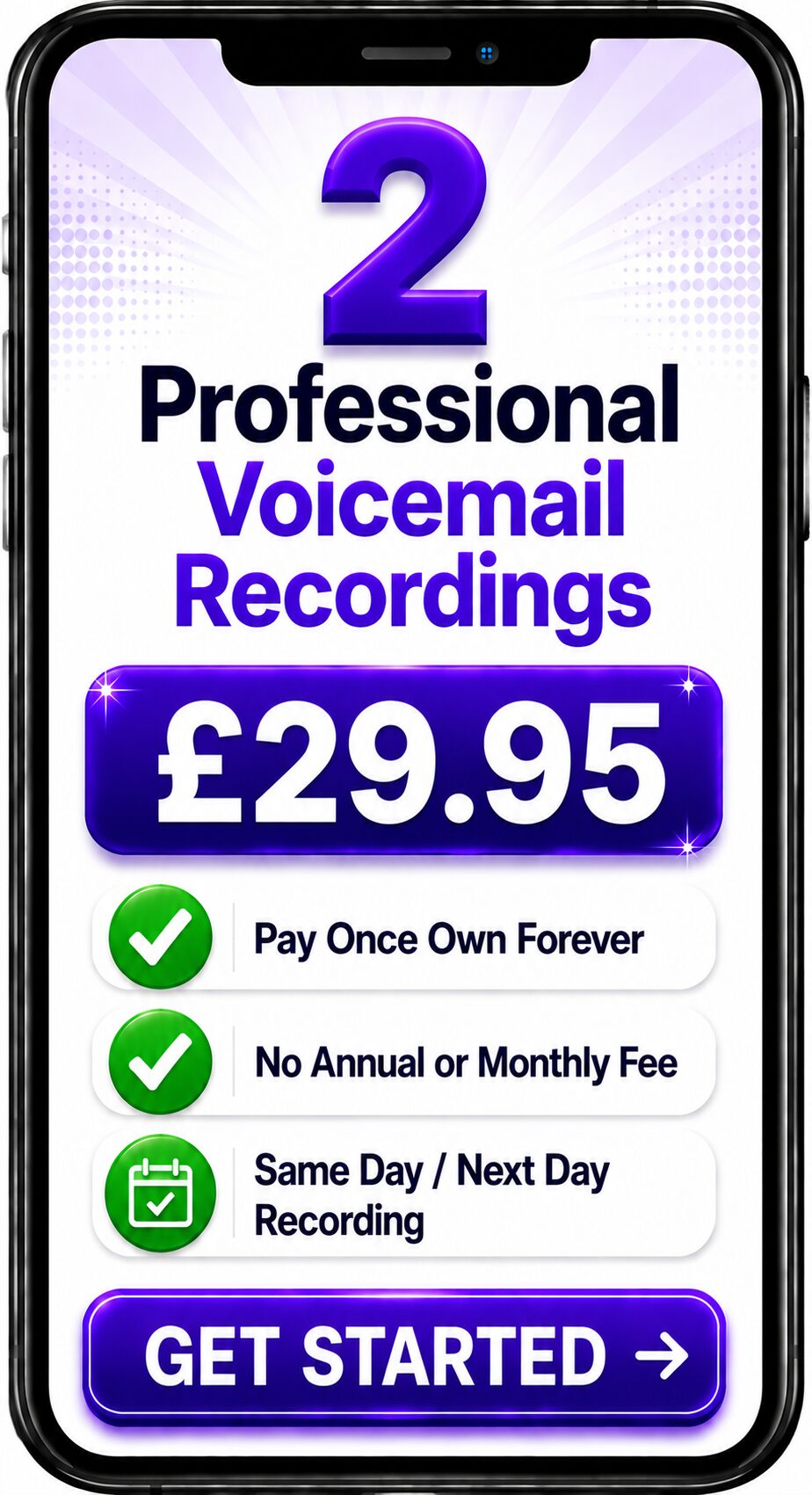
Choose Number of Recordings
Choose a Professional Voice Over


Spencer
Same Day / Next Day

Melanie
24 Hours / 48 Hours

Gemma
24 Hours / 48 Hours

Bethany
24 Hours / 48 Hours

Emily
24 Hours / 48 Hours
Spencer
Same Day / Next Day
Professional Call Handling Procedures That Improve Customer Experience
Every telephone call is an opportunity to create a positive impression of your business.
Whether a customer is calling to make an enquiry, request support or place an order, the way a call is handled influences customer satisfaction, trust and the likelihood of future business. Effective call handling procedures ensure that every caller receives a consistent, professional experience from the moment the telephone is answered until the conversation ends.
Professional call handling is about far more than answering the phone quickly. It involves clear communication, efficient routing, appropriate greetings, well-designed call flows and helpful voicemail or out-of-hours messages when staff are unavailable.
For organisations of every size, having documented call handling procedures improves operational efficiency while delivering a better customer experience.
What Are Call Handling Procedures?
Call handling procedures are the processes and standards a business follows when receiving, managing and completing telephone calls.
These procedures help ensure that every member of staff provides a consistent level of customer service and that callers are directed to the right person or department as efficiently as possible.
Typical call handling procedures include:
- Answering incoming calls
- Greeting callers professionally
- Identifying customer needs
- Routing calls correctly
- Managing call queues
- Offering callback options
- Handling voicemail messages
- Transferring calls
- Taking accurate messages
- Closing conversations professionally
Well-designed procedures reduce confusion for both staff and customers.
Why Call Handling Procedures Matter
Businesses that implement clear telephone procedures often benefit from:
- Improved customer satisfaction
- Faster response times
- Fewer transferred calls
- Reduced call abandonment
- Better first-call resolution
- Greater staff confidence
- More consistent customer experiences
- Stronger brand reputation
Every telephone conversation reflects the professionalism of your organisation.
The Stages of Effective Call Handling
1. Professional Greeting
The first few seconds shape a caller's perception.
A professional greeting should:
- Welcome the caller
- Identify the business
- Introduce the individual where appropriate
- Invite the customer to explain their enquiry
Example:
"Good morning, thank you for calling Spencer Cork Voice Over Services. How can I help you today?"
A clear and friendly greeting immediately creates confidence.
2. Active Listening
Understanding the customer's needs is essential.
Effective listening involves:
- Allowing callers to finish speaking
- Asking relevant questions
- Confirming important information
- Avoiding interruptions
This helps ensure enquiries are handled correctly the first time.
3. Accurate Call Routing
Customers should reach the correct department quickly.
Call routing may involve:
- Sales
- Customer Service
- Accounts
- Technical Support
- Administration
- Management
Clear routing reduces unnecessary transfers and improves efficiency.
4. Managing Hold Times
If a caller needs to wait:
- Explain why
- Ask permission before placing them on hold
- Return regularly with updates
- Offer a callback where appropriate
Keeping customers informed helps reduce frustration.
5. Professional Transfers
When transferring calls:
- Explain why the transfer is needed
- Introduce the receiving department if possible
- Pass relevant information to avoid repetition
- Confirm the transfer has been successful
Smooth transfers improve the overall customer experience.
6. Closing the Conversation
Before ending a call:
- Confirm all questions have been answered
- Summarise any agreed actions
- Thank the caller
- End politely and professionally
A positive closing leaves a lasting impression.
Supporting Call Handling with Professional Voice Recordings
Not every customer will immediately speak to a member of staff.
Professionally recorded telephone audio supports your call handling procedures by providing clear, consistent communication throughout the customer journey.
Examples include:
- Welcome greetings
- Auto attendant messages
- IVR prompts
- Queue announcements
- Callback invitations
- Business voicemail greetings
- Out-of-hours recordings
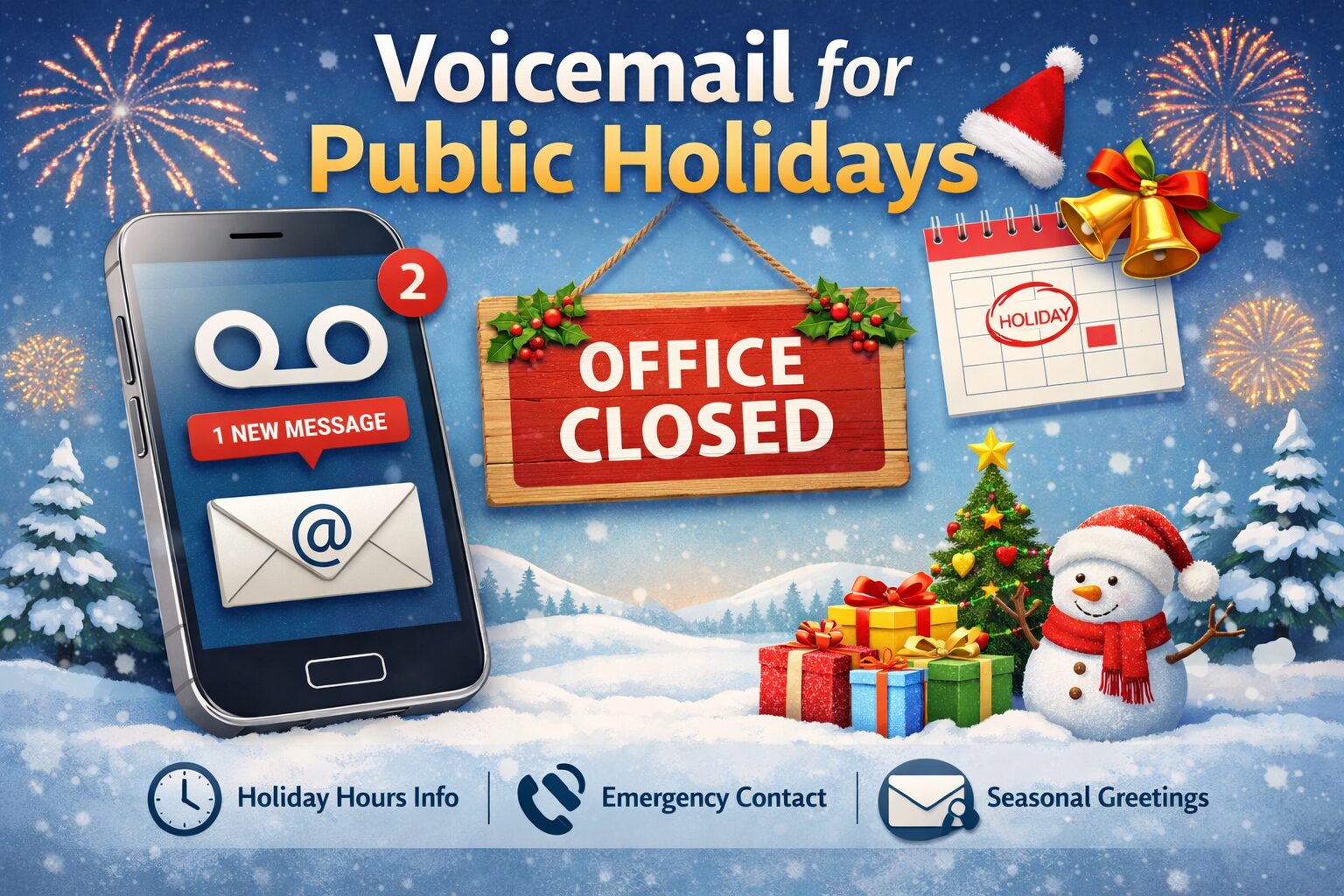
- Holiday messages
- Emergency announcements
These recordings ensure customers receive accurate information even when staff are unavailable.
Best Practice for Business Telephone Greetings
A professional greeting should be:
Friendly
Speak with warmth and confidence.
Clear
Use simple language that customers immediately understand.
Concise
Keep greetings informative without being unnecessarily long.
Consistent
Use the same tone and style across every recording and every member of staff.
Brand Focused
Reflect your organisation's personality and values.
Common Call Handling Mistakes
Many organisations unintentionally create poor customer experiences by:
- Leaving callers on hold without updates
- Using inconsistent greetings
- Transferring calls repeatedly
- Speaking too quickly
- Using jargon
- Failing to confirm customer details
- Providing unclear voicemail messages
- Using low-quality telephone recordings
Reviewing procedures regularly helps eliminate these issues.
The Role of Professional Voice Recordings
Professionally recorded telephone prompts support your team by delivering consistent communication whenever automation is required.
Typical recordings include:
- Auto attendant greetings
- Interactive Voice Response (IVR) menus
- Queue announcements
- Department greetings
- Voicemail greetings
- Out-of-hours messages
- Holiday announcements
- Emergency service updates
- Callback prompts
Using one professional voice across every recording reinforces your brand and creates a seamless customer experience.
Benefits of Well-Designed Call Handling Procedures
Effective procedures help organisations:
- Improve customer confidence
- Increase operational efficiency
- Reduce missed opportunities
- Deliver consistent service
- Support business growth
- Strengthen brand reputation
- Improve staff performance
- Enhance customer loyalty
Telephone communication remains one of the most important touchpoints for many businesses.
Frequently Asked Questions
Why are call handling procedures important?
They ensure every customer receives a consistent, professional experience while helping staff manage enquiries efficiently and accurately.
What should a professional telephone greeting include?
A greeting should welcome the caller, identify the business, introduce the person answering where appropriate and invite the customer to explain their enquiry.
How can businesses reduce call abandonment?
Clear call routing, realistic queue updates, callback options and professionally recorded queue announcements all help reduce the number of callers who hang up before receiving assistance.
Why use professionally recorded telephone prompts?
Professional recordings create a consistent brand image, improve clarity and reassure customers throughout automated parts of the call journey.
Related Guides
This guide forms part of the Business Voice Communications Knowledge Library.
Related resources include:
- Contact Centre Voice Prompts
- Interactive Voice Response (IVR)
- Auto Attendant Best Practice
- Call Queue Messages
- Business Voicemail Greetings
- Telephone Customer Experience
- Voice Branding
- Telephone Greeting Messages
- Out-of-Hours Messages
Conclusion
Well-designed call handling procedures help businesses deliver efficient, professional and customer-focused telephone experiences. From the initial greeting through to call routing, transfers and follow-up, every stage of the conversation contributes to the customer's perception of your organisation.
By combining effective procedures with professionally recorded greetings, IVR prompts, queue announcements and voicemail messages, businesses can create a seamless telephone journey that builds trust, strengthens their brand and leaves callers with a positive impression every time they get in touch.
Contact the Team
Get a Fast Answer to Your Question
How To Order
Voicemail Recordings Video Guide