Remote Directed Voice Over Recording – A Smarter Way to Stay in Control of Your Audio

Tell Me About Your Project
I’ll get back to you quickly with a quote — and a sample read if helpful.
✔ No obligation
✔ Fast response (usually within the hour)
✔ Friendly, straightforward process
Remote Directed Voice Over Recording – A Smarter Way to Stay in Control of Your Audio
There was a time when directing a voice recording meant booking a studio, coordinating schedules, and physically attending a session. While that approach still exists, it’s no longer the only option — and for many businesses, it’s no longer the most efficient one either.
Remote directed voice recording has changed the way projects are managed. It allows you to guide a session in real time, give feedback instantly, and shape the final result without needing to be in the same room.
For businesses that value both control and convenience, it offers a practical and highly effective solution.
What Is Remote Directed Recording?
At its core, remote direction means you can listen in and provide input while a recording is taking place — even if you’re miles away.
Instead of relying on back-and-forth revisions after the fact, you’re involved during the session itself.
This allows you to:
- Hear the delivery as it happens
- Request changes immediately
- Fine-tune tone, pace, and emphasis
- Ensure the recording matches your expectations
The result is a more collaborative process and a final product that’s aligned with your vision from the outset.
Why More Businesses Are Choosing This Approach
As workflows become more flexible, businesses are looking for ways to maintain quality without slowing things down.
Remote direction offers several key advantages.
Real-Time Input
Rather than waiting to review a finished file, you can shape the recording as it’s being created.
This reduces the need for multiple revisions and helps keep projects on track.
Greater Accuracy
When you’re involved in the session, small details can be addressed immediately.
This includes:
- Pronunciation of names or technical terms
- Emphasis on key phrases
- Adjustments to tone or style
Time Efficiency
By resolving decisions during the session, you avoid delays later in the process.
This is particularly useful when working to tight deadlines.
Flexibility
You can join from wherever you are, whether that’s an office, home workspace, or even while travelling.
How the Process Works
One of the biggest misconceptions about remote directed recording is that it’s complicated. In reality, the process is designed to be simple and accessible.
A typical session follows these steps:
1. Preparation
You provide your script along with any notes about tone, pacing, or style.
Clear preparation helps ensure the session runs smoothly.
2. Session Setup
You’re invited to join the session via a remote connection. This could be through a browser-based link or a simple audio call, depending on your preference.
3. Live Direction
As the recording takes place, you can listen in and offer feedback.
You might request:
- A slightly different tone
- A change in pacing
- Emphasis on certain words
This input is applied immediately.
4. Final Delivery
Once the session is complete, the audio is edited and delivered in a format ready for use.
You can see how projects are typically handled here:
https://www.spencercork.co.uk/work-with-spencer-cork/
When Remote Direction Makes the Most Sense
While not every project requires live input, there are certain situations where it becomes particularly valuable.
Complex Scripts
If your script includes technical language, brand-specific terminology, or detailed messaging, being able to guide the delivery in real time helps ensure accuracy.
Brand-Sensitive Content
For projects where tone is critical — such as corporate messaging or promotional content — remote direction allows you to fine-tune delivery until it feels exactly right.
Collaborative Projects
If multiple stakeholders are involved, remote sessions make it easier for everyone to contribute without needing to coordinate a physical meeting.
Tight Deadlines
When time is limited, resolving feedback during the session helps avoid delays caused by multiple revision cycles.
The Balance Between Guidance and Expertise
One of the key benefits of working with an experienced voice professional is that you don’t need to direct every detail.
Remote direction isn’t about controlling every word — it’s about collaboration.
You bring your understanding of your brand and message.
The voice professional brings experience in delivery, pacing, and interpretation.
Together, this creates a result that’s both accurate and engaging.
Technology That Makes It Possible
Advances in technology have made remote sessions more accessible than ever.
High-quality audio can be streamed in real time, allowing you to hear exactly what’s being recorded.
This means you’re not relying on rough previews or guesswork — you’re hearing the actual output as it happens.
Maintaining Professional Quality
A common concern is whether remote sessions compromise quality.
In practice, the opposite is often true.
Because you’re involved in the process, you can ensure that:
- The tone matches your expectations
- Key details are delivered correctly
- The final result aligns with your brand
Combined with professional recording equipment, this results in audio that’s both precise and polished.
You can hear examples of this quality here:
https://www.spencercork.co.uk/
Reducing the Need for Revisions
One of the biggest advantages of remote direction is the reduction in revision cycles.
Instead of:
- Receiving a recording
- Providing feedback
- Waiting for updates
…you address everything in real time.
This not only saves time but also helps maintain momentum, particularly on larger projects.
A More Collaborative Experience
Remote sessions create a sense of involvement that’s often missing from traditional workflows.
You’re not just receiving a finished product — you’re part of the process.
This can lead to:
- Better alignment with your goals
- Greater confidence in the final result
- A smoother overall experience
Preparing for a Successful Session
To get the most out of a remote directed recording, a little preparation goes a long way.
Before the session:
- Review your script carefully
- Highlight any specific requirements
- Consider the tone you want to achieve
- Be ready to provide clear feedback
This helps keep the session focused and efficient.
Is Remote Direction Always Necessary?
Not every project requires live involvement.
For straightforward recordings, a simple brief may be enough.
However, when precision, tone, or collaboration are priorities, remote direction offers a clear advantage.
A Modern Approach to Voice Recording
As businesses continue to adapt to more flexible ways of working, remote directed recording has become an increasingly popular option.
It combines:
- Professional quality
- Real-time collaboration
- Efficient delivery
…all without the need for traditional studio sessions.
Taking the Next Step
If you’re considering a project where control and collaboration are important, remote direction is worth exploring.
It offers a practical way to stay involved, ensure accuracy, and achieve the result you’re looking for.
To learn more or get started, visit:
https://www.spencercork.co.uk/
Or explore how the process works here:
https://www.spencercork.co.uk/work-with-spencer-cork/
Remote directed voice recording isn’t just a convenient alternative — it’s a more flexible, efficient way to produce high-quality audio.
By combining real-time input with professional delivery, it allows you to shape your message with confidence and clarity.
And in a world where communication matters more than ever, that level of control can make all the difference.
Request a Voice Over Quote
If you are looking for a professional voice over artist in the UK, I would be pleased to help.
To get started, please provide:
-
A script or project outline
-
Intended usage
-
Preferred tone or style
-
Timeline or deadline
You can get in touch via the contact page, and I will respond promptly with availability and a tailored quote.

Get a FAST Quote Today !
Voice Over Samples
E-Learning and Training
Corporate
Conversational
Commercials
UK British Voice Over Recording Services
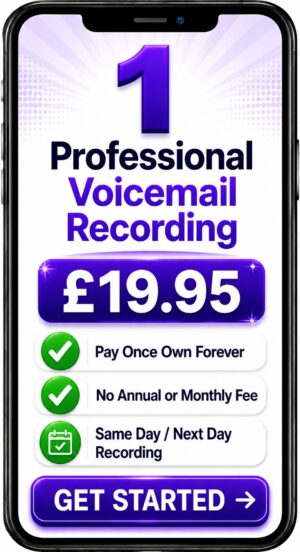
Provider of Voicemail Message Greetings and Recorded Voicemail Messages


Trusted by the Biggest Brands in the World
Trustpilot Reviews
Sham Number Group

Absolutely Superb Voicemail Recordings !
Have been using Spencer for our voice-overs and can say he is BY FAR the best in the business!
Spencer is reliable, always available to help (even out of hours). His always on hand to offer his support and advice.
Would not look elsewhere, if you are looking for a professional voice over service look no further, Spencer is the man you NEED.
We would highly recommend Spencer without a shadow of a doubt and look forward to working with him ourselves for many years to come.
Amelia
Spencer is a great voice over and has been truly amazing !!
Spencer has been truly amazing !! The service was 10/10, highly responsive, great with all of our queries and even made alterations for us. Rapid responses and the job was completed the same day!! Thank you, Spencer, we will definitely be using your services again in the future.
Gerald Ennimate
Definitely recommended if you need a Quality Voice Over!
As an animation studio in the Netherlands (Ennimate.nl) , we have been working with voice-over Spencer for many years.
We are very pleased with his work. Whether it concerns a voice-over recording for a healthcare organization or an insurer. Spencer strikes the right chord every time! He also practically thinks along with the recording. In addition, he delivers very quickly and is very affordable.
Definitely recommended!
Unique Tint
We have used Spencer to record our Voicemail Messages
We have used Spencer to record voicemail and on hold music for past 5 years. His service is brilliant. Quick response, professional service, very impressed
Thank you
Stuart Phillips
Great service as always from Spencer
Great service as always from Spencer. Response time from placing order to receiving the recording was very quick. Used him for many years now. Highly recommended.
Date of experience: 04 July 2023
Natalie Maher-Lander
Excellent fast and professional service
Spencer has a very fast turnaround with high quality recording. Nothing is ever too much trouble. Very easy to deal with and super quick response time. I would have no hesitation in recommending him.
Date of experience: 05 December 2018
Nora Szalai
I've been working with Spencer for my Recordings more…
I've been working with Spencer for more than 10 years on a daily basis. I think that tells all. Thank you Spencer!
Date of experience: 17 June 2024
Rahman
First class service and turnaround
First class service and turnaround. Have been using Spencer's service for many years and he never fails to deliver. Great client response to his recordings and therefore I am happy to recommend without hesitation.
Felipe
Quality Service Whenever we deal with Spencer
Whenever we deal with Spencer, we always get a super fast response and a impeccable service. I can't recommend his services enough. He deserves more than 5 stars!
Aaron Telford
Always reliable, quick and effective Work
We've been using Spencer for years for our telephone system recordings, he's always quick to reply, quick to produce the recording and very efficient. Can't recommend his services high enough.
Brooke Schepker
I would recommend Spencer Cork's Work
I would recommend Spencer Cork's Services to anyone looking for reliable, fast, fairly-priced narration. He consistently delivers ahead of schedule and is good at providing status updates along the way. 5 stars!
Anna
Spencer was very helpful in answering my Voicemail Questions
Spencer was very helpful in answering my initial query quickly and turned around two great voicemail in record time! Very professional and would recommend to others
JD Griggs Plumbing
Excellent Service
Excellent service
Went above and beyond and help me over a bank holiday weekend
For a new business was great and would highly recommend
Pixafusion Marketing
Quality & Timely Voicemail Recording
We have used spencer Cork for a number of our IVR projects and always found the work to be of a very high standard and delivered in a prompt and timely manner.
Jon Brighton Holistic
Spencer is a great guy to work with
Spencer is a great guy to work with, he has recorded our projects for a number of years now. Highly recommend.