
Voice Over Narration
Voice Over Narration
The Art of Voice Over Narration: Unveiling the Veil Behind the Scenes
In the realm of visual storytelling, the voice-over narrator serves as an invisible guide, leading audiences through the intricate tapestry of narratives woven on screen. From documentaries that unravel the mysteries of the natural world to television shows that plunge us into gripping dramas, the role of a voice-over narrator is both pivotal and enchanting. In this article, we delve into the captivating world of voice-over narration, exploring its significance and the artistry that brings stories to life.
The Unseen Conductor
Much like a symphony conductor guiding a musical masterpiece, the voice-over narrator orchestrates the flow of information and emotion, shaping the viewer’s experience. In documentaries, the voice-over acts as an authoritative yet empathetic guide, providing context, insights, and weaving together disparate threads into a cohesive narrative. This unseen conductor not only imparts information but also sets the tone, creating an emotional resonance that lingers long after the credits roll.
Capturing Attention and Imagination
In the vast landscape of television shows, where visuals and dialogues play starring roles, the voice-over narrator emerges as the unsung hero. With the power to captivate attention and ignite the imagination, a well-executed voice-over can elevate a scene from ordinary to extraordinary. Whether introducing characters, narrating flashbacks, or guiding viewers through twists and turns, the narrator shapes the audience’s perception, creating a seamless and immersive viewing experience.
Versatility in Style
One of the fascinating aspects of voice-over narration is the versatility it offers. Different genres and storytelling formats demand varying tones, styles, and cadences. From the warm, reassuring tones of a nature documentary narrator to the intense, suspenseful delivery in crime dramas, voice-over artists must adapt their style to complement the narrative atmosphere. This adaptability is a testament to the skill and artistry inherent in the profession.
The Art of Storytelling
At its core, voice-over narration is an art form that transcends the mere conveyance of information. It is storytelling in its purest audio form. The voice-over artist infuses life into scripts, imbuing words with emotion, nuance, and personality. A well-crafted narration not only imparts facts but also evokes feelings, creating a connection between the storyteller and the audience.
Challenges and Nuances
While the end result may seem seamless, the process of voice-over narration is not without its challenges. Achieving the perfect balance between clarity and emotion, maintaining a consistent pace, and syncing seamlessly with the visuals are just a few of the intricacies that voice-over artists navigate. The ability to convey complex information with simplicity and engage listeners on both intellectual and emotional levels is a delicate skill that requires honing.
In the tapestry of visual storytelling, the voice-over narrator is the invisible thread that stitches together narratives, creating a seamless and enchanting experience for audiences. From documentaries that transport us to distant lands to television shows that keep us on the edge of our seats, the role of the voice-over artist is nothing short of magical. As we continue to be enraptured by the stories unfolding on our screens, let us take a moment to appreciate the unsung heroes behind the microphone, whose voices linger in our minds long after the credits have rolled.

Voice Over for Narrations

[cue id=”12154″]

Spencer Cork Youtube Channel
Discover the Spencer Cork YouTube Channel – Professional Voice Over Demos, Tips and Behind-the-Scenes Content If you’re looking for a professional…
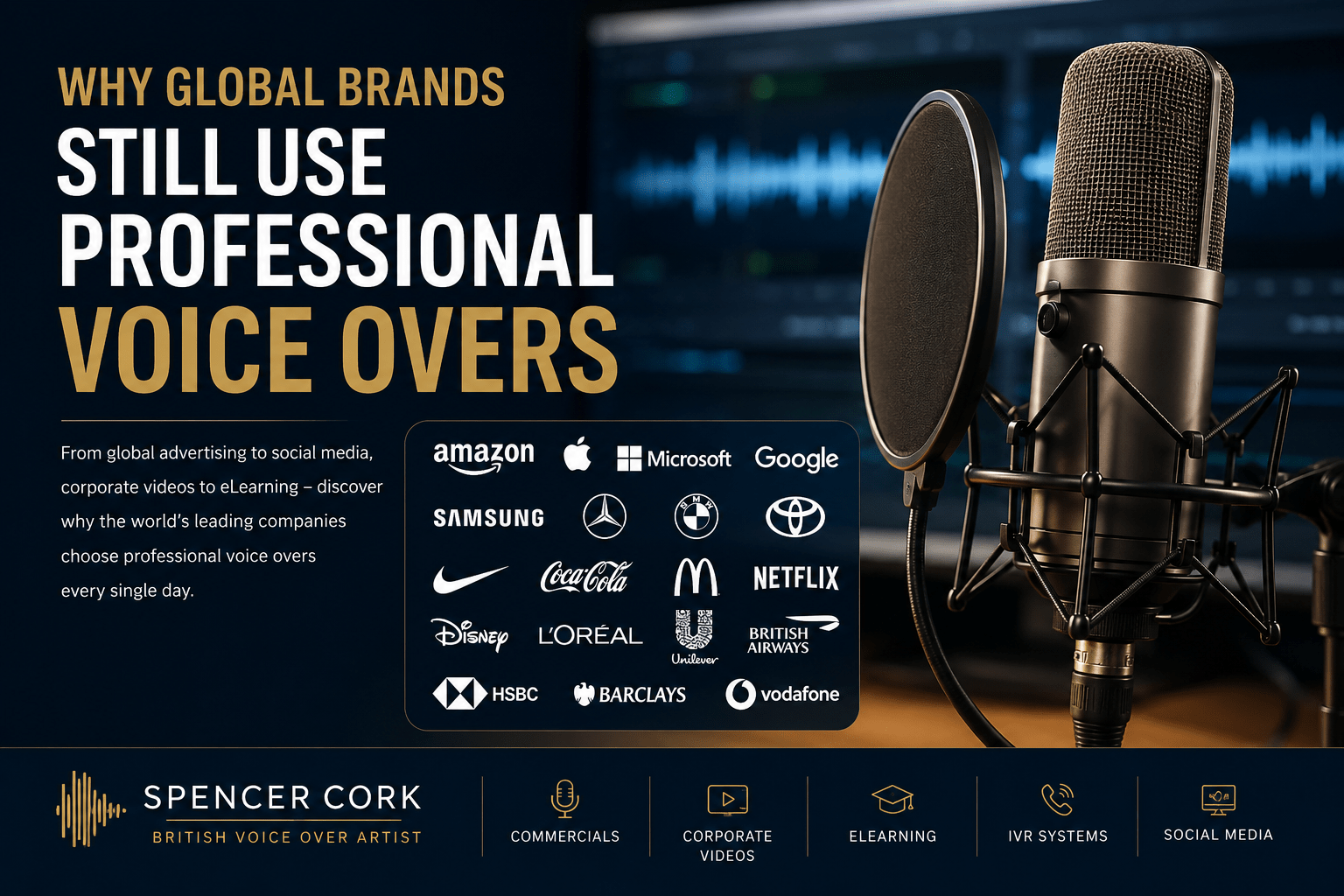
Why Global Brands Still Use Professional Voice Overs
Why the World’s Biggest Brands Still Invest in Professional Voice Overs Every Day Every day, thousands of new videos, adverts, product launches,…
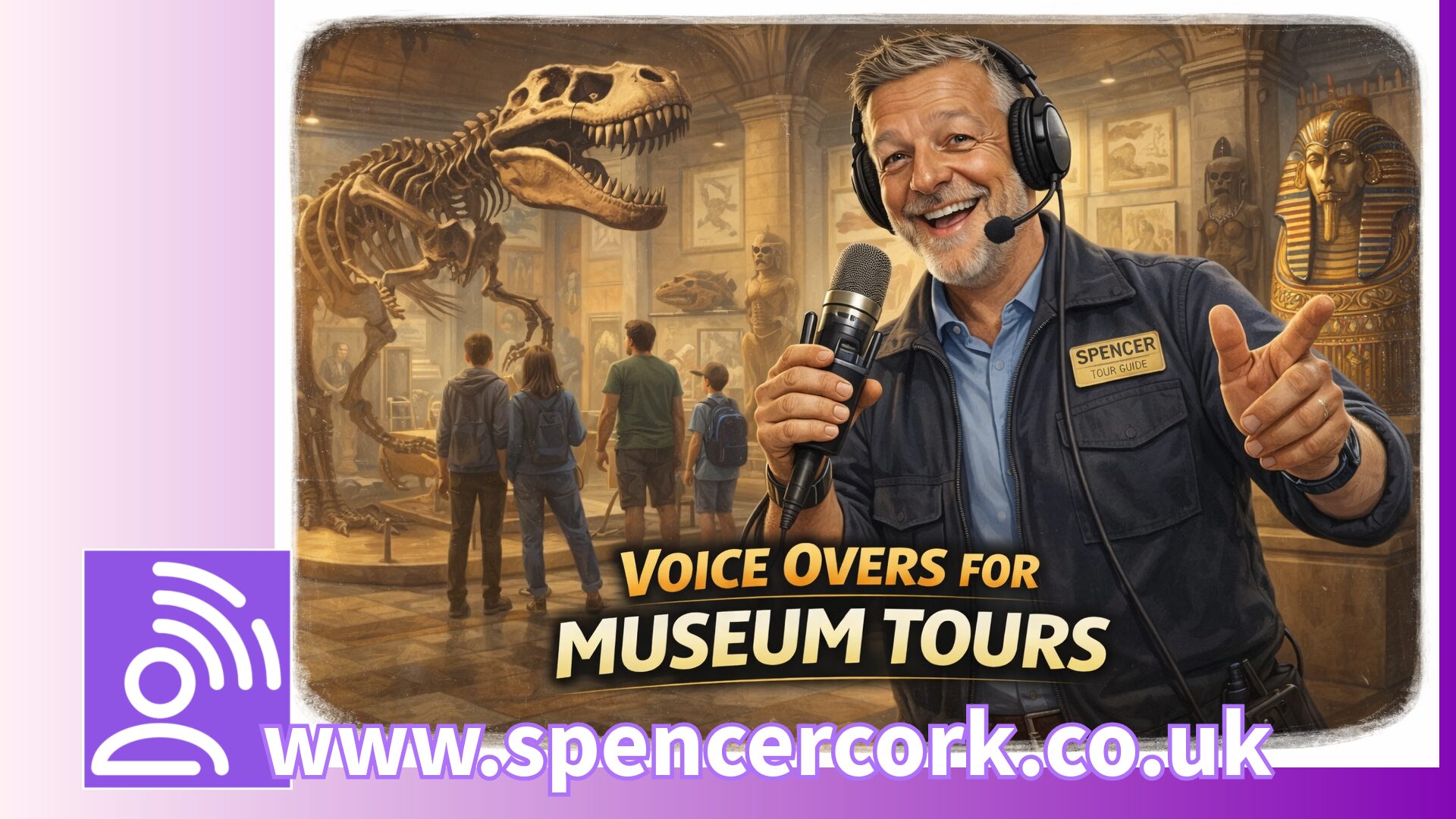
Voice Overs for Museum Tours
Voice over for guided tours is a fascinating niche within the wider world of narration. Whether it’s a museum audio guide, a heritage site experience, or a mobile app that walks visitors through an exhibition, the goal is the same: bring the story of the space to life through voice.

Voice Overs for Automotive Industry
The automotive industry has always relied on powerful storytelling. From high-performance sports cars to reliable family vehicles, every brand needs a voice that communicates innovation, trust, and excitement. That’s where professional voice overs for automotive industry campaigns play a vital role.

Green Motion Voicemail and IVR
Green Motion Voicemail and IVR When a business wants to make a strong first impression by phone, professional voicemail greetings and IVR voice…

British Voice Over for Sonali Bank
British Voice Over for Sonali Bank In the crowded world of advertising and media, one of the most powerful tools a brand can use isn’t a flashy…